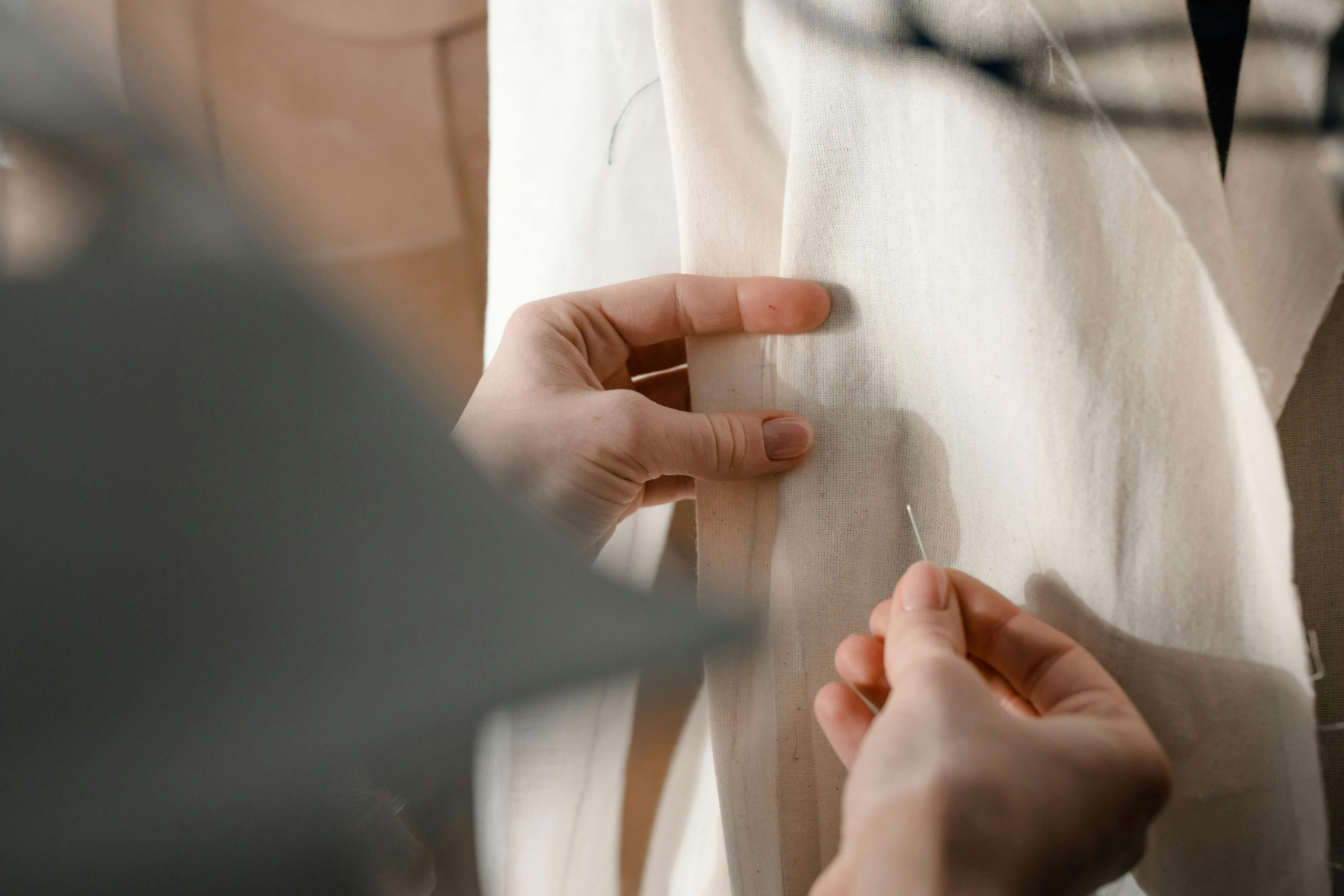
Welcome to the world of fast fashion, where trends change at the drop of a hat and clothes are often discarded after being worn only a handful of times. As consumers, we are constantly bombarded with new styles and designs, making it tempting to constantly update our wardrobes. Unfortunately, this fast-paced industry has a hidden toll on the environment and our wallets. In recent years, there has been a growing movement towards sustainable and ethical fashion, with many brands and designers now focusing on designing for longevity. In this article, we will delve into the concept of designing durable and versatile clothing, and why it is crucial for the future of the fashion industry.
The Problem with Fast Fashion
Before we discuss the benefits of designing for longevity, it’s important to understand why it’s necessary. The rise of fast fashion has led to a culture of disposable clothing, where new styles are constantly being produced and old ones are quickly discarded. This vicious cycle not only has negative impacts on the environment, but it also exploits workers in developing countries who are often paid unfairly and work in unsafe conditions.
Environmental Impact
The fashion industry is the second-largest polluter in the world, after the oil industry. The production of clothing involves the use of pesticides, toxic dyes, and huge amounts of water. In addition, the transportation of clothes from factories to stores and then to consumers results in large carbon emissions. With the rise of fast fashion, the production of cheap, low-quality clothing has increased, leading to more waste being sent to landfills.
Social Impact
The majority of fast fashion brands outsource their production to developing countries where labor is cheaper. However, workers in these factories are often paid very low wages and forced to work in unsafe and exploitative conditions. This is not only unethical but also contributes to the cycle of poverty and inequality in these countries.
Designing for Longevity
So, what exactly does it mean to design for longevity? Put simply, it is the process of creating clothing that is durable and versatile, with the aim of reducing waste and promoting a more sustainable fashion industry. This involves using high-quality materials, ethical production methods, and timeless designs.
High-Quality Materials
The first step in designing for longevity is using materials that are durable and can withstand wear and tear. This means opting for natural, organic fabrics such as cotton, linen, and wool, as well as high-quality synthetic materials like Tencel and recycled polyester. These materials are not only more durable but also have less of an impact on the environment compared to conventional fabrics.
Ethical Production Methods
Designing for longevity also involves considering the production methods used to create the clothing. This means ensuring that workers are paid fairly, work in safe conditions, and have reasonable working hours. Brands that prioritize ethical production are also more likely to have better quality control, resulting in higher-quality garments that are built to last.
Timeless Designs
One of the main principles of designing for longevity is creating timeless, classic designs that won’t go out of style. This means moving away from the fast-paced trend-driven cycle and instead focusing on creating pieces that can be worn for years to come. Classic pieces such as a well-tailored blazer or a little black dress will not only withstand the test of time but will also reduce the need for constant wardrobe updates.
The Benefits of Designing for Longevity
The benefits of designing for longevity go beyond just creating a more sustainable and ethical fashion industry. It also has positive impacts on the consumer, the environment, and the economy.
Cost-Effective for Consumers
While high-quality, ethically produced pieces may come with a higher price tag, they also offer better value for money. Investing in timeless, durable pieces means they will last longer, reducing the need for constant replacements and saving money in the long run.
Reduces Waste
Designing for longevity reduces the amount of clothing that ends up in landfills. By creating pieces that are built to last, there is less need for constant production and consumption, resulting in less waste and a healthier planet.
Promotes Ethical Practices
By choosing to support brands and designers that prioritize ethical production methods, consumers are sending a message to the fashion industry that these practices are important. This can lead to more brands adopting ethical practices, resulting in a more positive impact on workers and communities.
Conclusion
In conclusion, designing for longevity is crucial for creating a more sustainable and ethical fashion industry. By using high-quality materials, ethical production methods, and timeless designs, brands and designers can make a positive impact on the environment, society, and the economy. As consumers, we can also do our part by choosing to support brands that prioritize longevity over fast fashion trends. Remember, fashion should be fun and stylish, but it should also be responsible and considerate of the planet and its people.
Leave a Reply