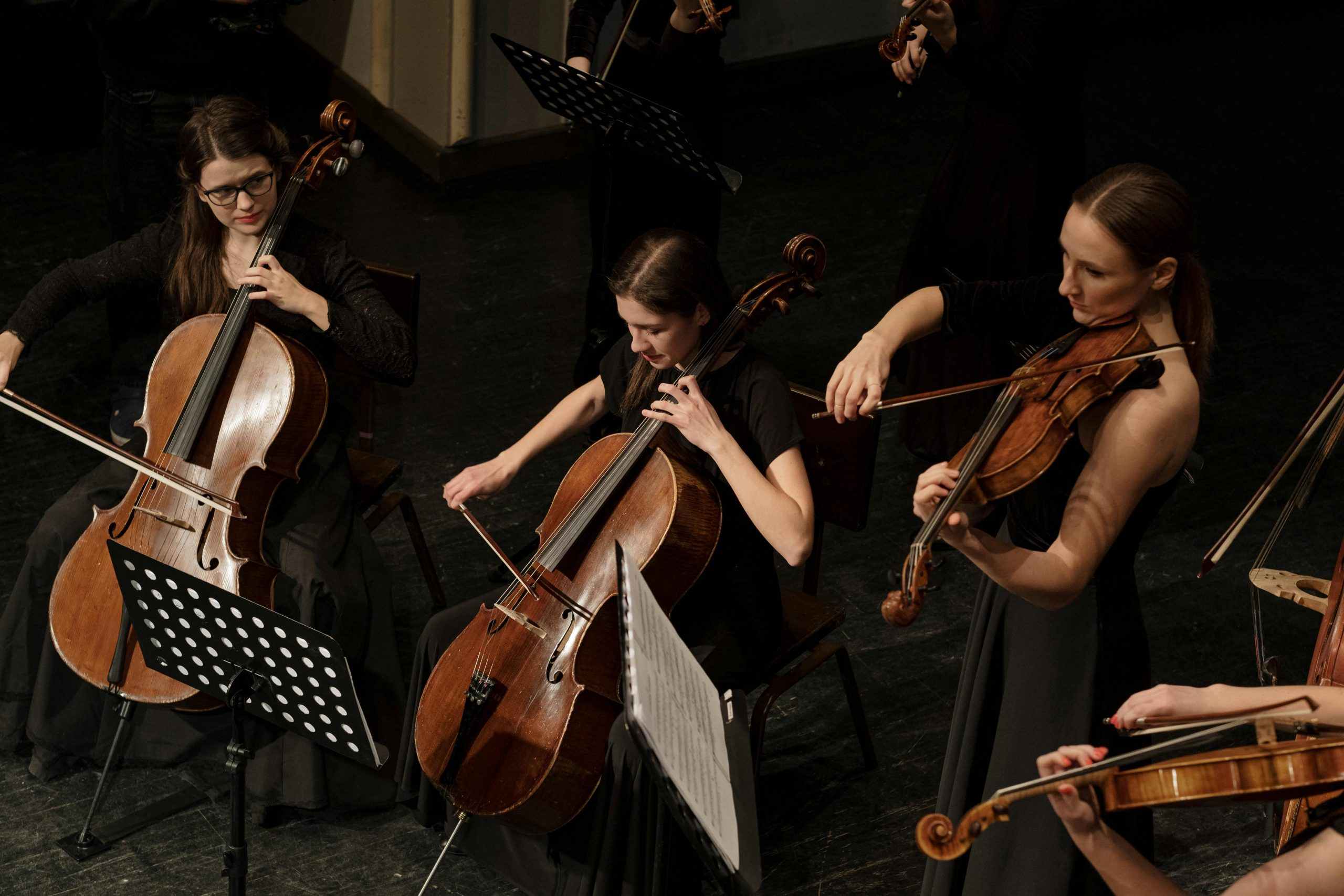
The relationship between classical music and modern art is one that has endured for centuries. From the stunningly ornate works of the Baroque period to the bold and revolutionary styles of the Romantic era, classical music has had a profound influence on the development of modern art. Despite the vast differences between these two artistic forms, they have always shared a symbiotic relationship, with one constantly inspiring and influencing the other. In this article, we will explore the enduring influence of classical music on modern art, and how this rich history continues to shape and inspire the art we see today.
The Historical Roots of Classical Music on Modern Art
The connection between classical music and modern art can be traced back to ancient Greek and Roman civilizations, where both forms of art were highly valued and celebrated. This unity continued during the Renaissance period, where artists such as Michelangelo and Leonardo da Vinci were heavily influenced by the works of composers like Palestrina and Monteverdi.
However, it was during the Baroque period that the link between classical music and modern art truly blossomed. The intricate and elaborate works of composers such as Bach and Vivaldi were reflected in the ornate and grandiose paintings of the time. The dramatic and emotional nature of Baroque music was also reflected in the theatrical and emotive styles of art, such as those by Caravaggio and Rubens.
The Impact of the Romantic Era
The influence of classical music on modern art continued to evolve in the 19th century during the Romantic period. This era saw a shift towards emotive and atmospheric art, which was heavily inspired by the emotionally charged music of composers such as Beethoven and Chopin.
One of the most significant examples of this influence can be seen in the works of the Impressionists, who sought to capture the fleeting moments and sensations of everyday life. The use of light, color, and movement in Impressionist paintings can be seen as a direct response to the expressive and fluid compositions of Romantic music.
The 20th Century and the Birth of Avant-Garde Art
In the 20th century, classical music continued to inspire artists as they rebelled against traditional notions of art and pushed the boundaries of expression. This gave rise to abstract art, which sought to evoke emotions and ideas without the use of recognizable objects or subjects. The chaotic and experimental nature of avant-garde music, such as that of Stravinsky and Schoenberg, was reflected in the unconventional and non-representational works of artists like Kandinsky and Picasso.
The Convergence of Classical Music and Modern Art Today
Today, the influence of classical music on modern art continues to be evident in various forms. Many contemporary artists, such as Olafur Eliasson and Marina Abramović, have incorporated musical elements into their works, creating immersive multisensory experiences for the audience.
One notable example is the Dutch artist Gonneke de Haan, who creates intricate drawings inspired by Mozart’s music. She allows the music to guide her hand, resulting in stunning visual representations of the emotions and movements within the compositions.
In Conclusion
The enduring influence of classical music on modern art is a testament to the power and timelessness of these two art forms. From the intricate and ornate works of the Baroque period to the avant-garde and experimental art of today, classical music has been a constant source of inspiration and innovation for artists. As we continue to explore new and exciting forms of expression, the influence of classical music will undoubtedly continue to play a vital role in shaping the art of tomorrow.
Leave a Reply