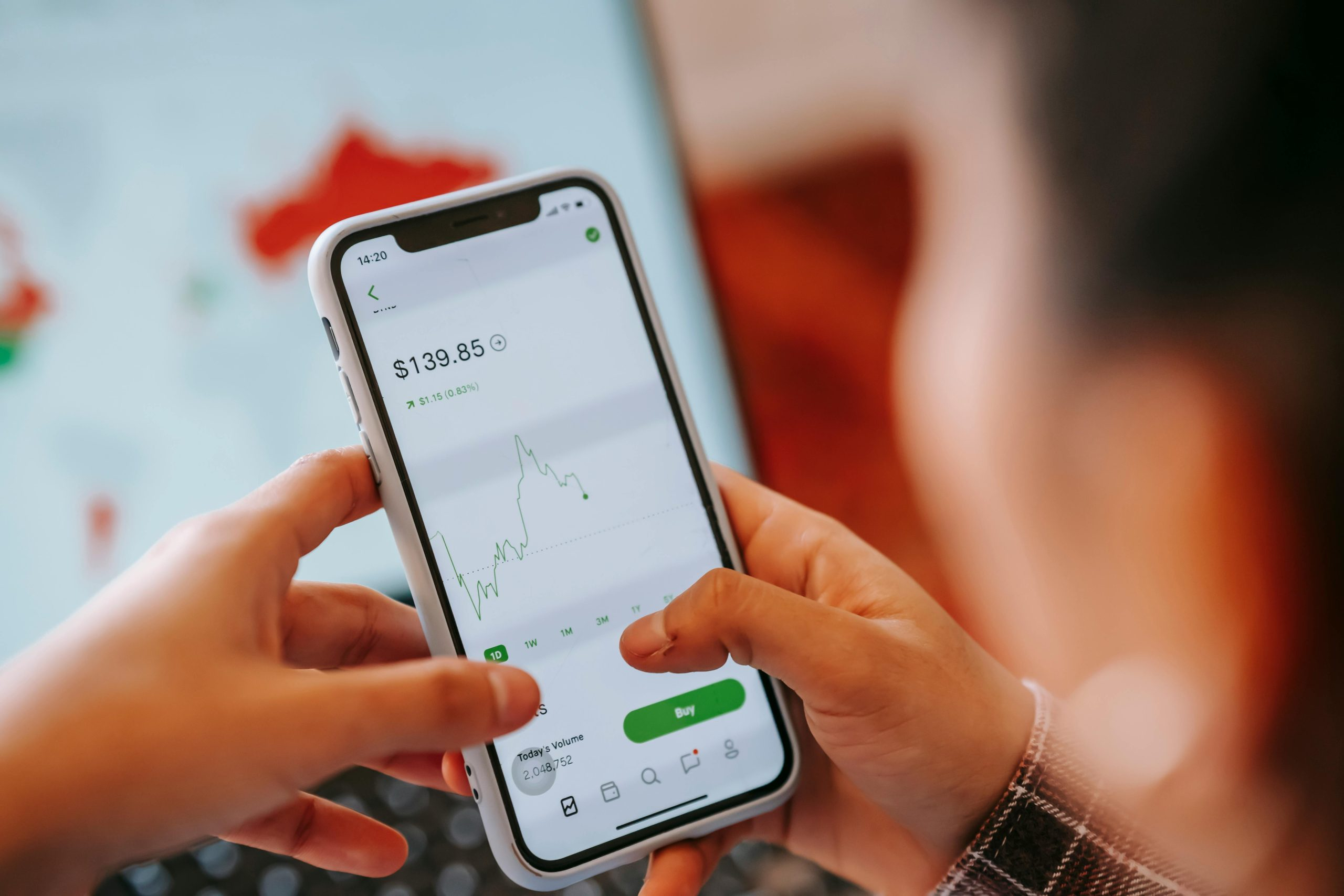
Investing can be a daunting task, especially for those who are new to the world of finances. Keeping track of your investment performance can feel overwhelming when there are so many numbers and data points to consider. Thankfully, there are tools available that can help simplify the process and provide valuable insights into your investments. In this article, we will explore the essential tools for tracking investment performance and how they can benefit both beginners and experienced investors alike.
Understanding Investment Performance Tracking
Investment performance tracking refers to the process of monitoring and evaluating the performance of your investments. This includes assessing the value, returns, and risks associated with your investments. By tracking your investment performance, you can make informed decisions about your portfolio and adjust accordingly to achieve your financial goals.
The Importance of Tracking Investment Performance
Tracking investment performance is crucial for several reasons. Firstly, it allows you to see how your investments are performing compared to relevant benchmarks, such as stock market indices. This provides a measure of how well your investments are doing compared to the overall market. Secondly, it helps you identify any underperforming assets and take appropriate action, such as selling or rebalancing your portfolio.
Additionally, tracking investment performance can also help you identify any patterns or trends in your portfolio. You can see which investments are performing well and which ones are not. This information can then be used to make adjustments to your portfolio, such as reallocating your investments or diversifying into different assets.
The Essential Tools for Tracking Investment Performance
So, what are the essential tools for tracking investment performance? Let’s take a look.
1. Investment Portfolio Tracker
The most obvious and fundamental tool for tracking investment performance is an investment portfolio tracker. This is a software or online service that allows you to input and track all your investments in one place. These trackers provide real-time updates on your portfolio’s performance, including returns, asset allocation, and risk levels.
Some popular investment portfolio trackers include Personal Capital, Morningstar, and SigFig. These tools offer a range of features, including performance analysis, portfolio rebalancing, and budgeting tools, to help you manage your investments better.
2. Stock Market Tracking Tools
Along with monitoring your individual investments, it’s also essential to keep an eye on the overall market performance. This can help provide context to your investment returns and identify any trends that may impact your portfolio.
One of the most widely used stock market tracking tools is Yahoo! Finance. This platform offers real-time market data, news, and stock performance analysis. You can also create customized watchlists to track specific stocks or sectors.
Additionally, many brokerages also offer their own stock market tracking tools. For example, TD Ameritrade has a platform called thinkorswim, which provides market data, analysis, and social sentiment on various stocks and indices.
3. News Aggregators
Keeping up with the latest financial news is also crucial in tracking investment performance. Events and news can significantly impact the market and your investments. Therefore, it’s essential to stay informed to make informed decisions about your portfolio.
News aggregators such as Bloomberg, Reuters, and MarketWatch provide real-time updates on the financial markets. You can customize your news feed to receive information on the stocks, sectors, or companies you are interested in. These platforms also offer analysis and expert opinions on market trends, which can be useful in tracking your investments.
4. Investment Research Tools
Conducting thorough research is crucial in making informed investment decisions. Therefore, having access to investment research tools can be beneficial in tracking your investments’ performance.
Tools such as Zacks Investment Research, S&P Capital IQ, and Fidelity’s Stock Screener offer comprehensive analysis and data on various stocks, sectors, and companies. You can use these tools to assess the fundamentals and financial health of your investments and make informed decisions about your portfolio.
5. Excel or Google Sheets
Lastly, for those who prefer a more hands-on approach, using a spreadsheet program such as Excel or Google Sheets can also be an effective tool for tracking investment performance. You can set up your own performance tracking sheet and input data manually to track your investments. This option may require more time and effort compared to using dedicated investment tracking tools, but it allows for more customization and flexibility.
Final Thoughts
Tracking your investment performance is crucial in achieving your financial goals. With the help of these essential tools, you can efficiently manage and monitor your investments, make informed decisions, and achieve success in your financial endeavors. Whether you prefer a more automated or hands-on approach, incorporating these tools into your investment strategy can provide valuable insights into your investment performance.
Remember, no tool can replace diligent research and analysis, so be sure to do your due diligence before making any investment decisions. Happy investing!
Leave a Reply