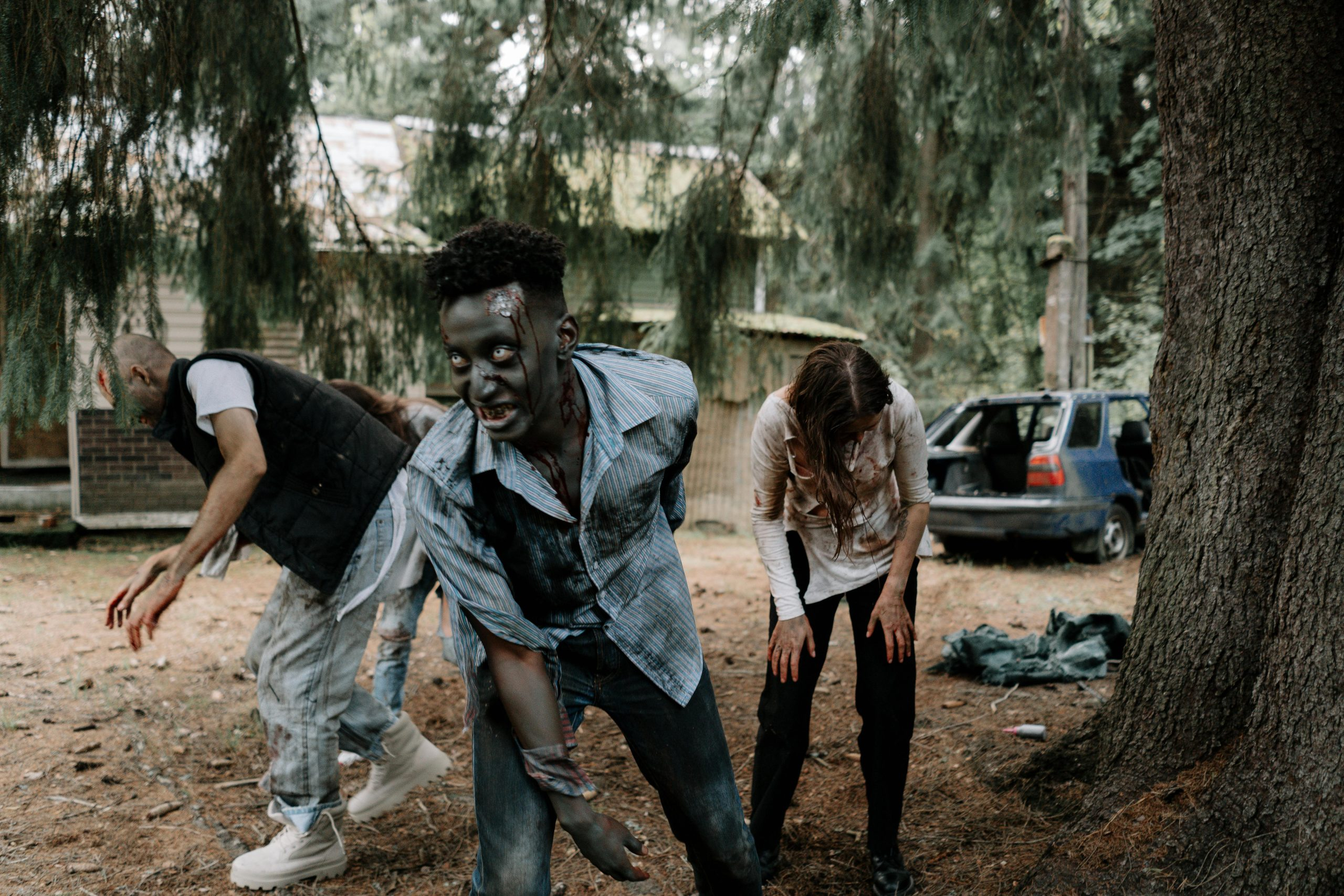
When it comes to creating a compelling cinematic experience, there are many elements that come together to bring a story to life on screen. From the acting to the set design, every aspect plays a crucial role in immersing the audience in the world of the film. However, one often overlooked aspect of filmmaking is costume design. While costumes may seem like a simple detail, they can actually have a significant impact on the overall storytelling of a film. In this article, we will explore the role of costume design in telling cinematic stories and how it contributes to the success of a film.
The Visual Language of Costumes
Costumes serve more than just the practical purpose of clothing characters in a film. They also play a crucial role in visually communicating the story, setting, and characters to the audience. Through the use of color, texture, and style, costumes can convey a character’s personality, their status in society, as well as the overall tone of the film.
Setting the Scene
Costumes are one of the first visual elements that set the tone and location of a film. For historical or period pieces, costumes can transport the audience to a different time and place, creating a sense of authenticity and believability. In fact, the intricacy and attention to detail of period costumes have even earned costume designers their own category at the Academy Awards.
On the other hand, for films set in contemporary times, costumes are essential in establishing the setting and cultural context. They can reflect current fashion trends, cultural norms, and societal standards, giving the audience a sense of familiarity and relatability to the characters and story.
Personality and Character Development
Costumes also play a crucial role in developing characters and their personalities. A character’s clothing can reveal a lot about their background, profession, and even their emotional state. For instance, a character dressed in rags may symbolize poverty or struggle, while a character in a sharp suit may represent wealth or power.
In addition, the choice of clothing can also convey information about a character’s personality. A rebellious character may be dressed in edgy and unconventional clothing, while a prim and proper character may be dressed in elegant and traditional attire. These visual cues help the audience to quickly understand and relate to the characters, without the need for lengthy exposition.
Creativity and Collaboration
Creating costumes for a film requires more than just picking out clothes. It is a collaborative process between the costume designer, director, and other members of the production team. Together, they work to create costumes that not only serve the story but also elevate it.
Costume designers must have a keen eye for detail, as well as strong research and interpretation skills to bring the characters and story to life. They must also be able to work closely with the director to understand their vision and collaborate with other departments to ensure that the costumes fit seamlessly into the overall aesthetic of the film.
Conclusion
Costume design is an essential element in the filmmaking process. It not only adds visual interest and authenticity to the film but also plays a crucial role in storytelling. Through their creative choices, costume designers can effectively communicate the setting, tone, and character development of a film, further immersing the audience in the cinematic experience. So, the next time you watch a film, pay attention to the costumes and appreciate their contribution to the storytelling process.
Leave a Reply