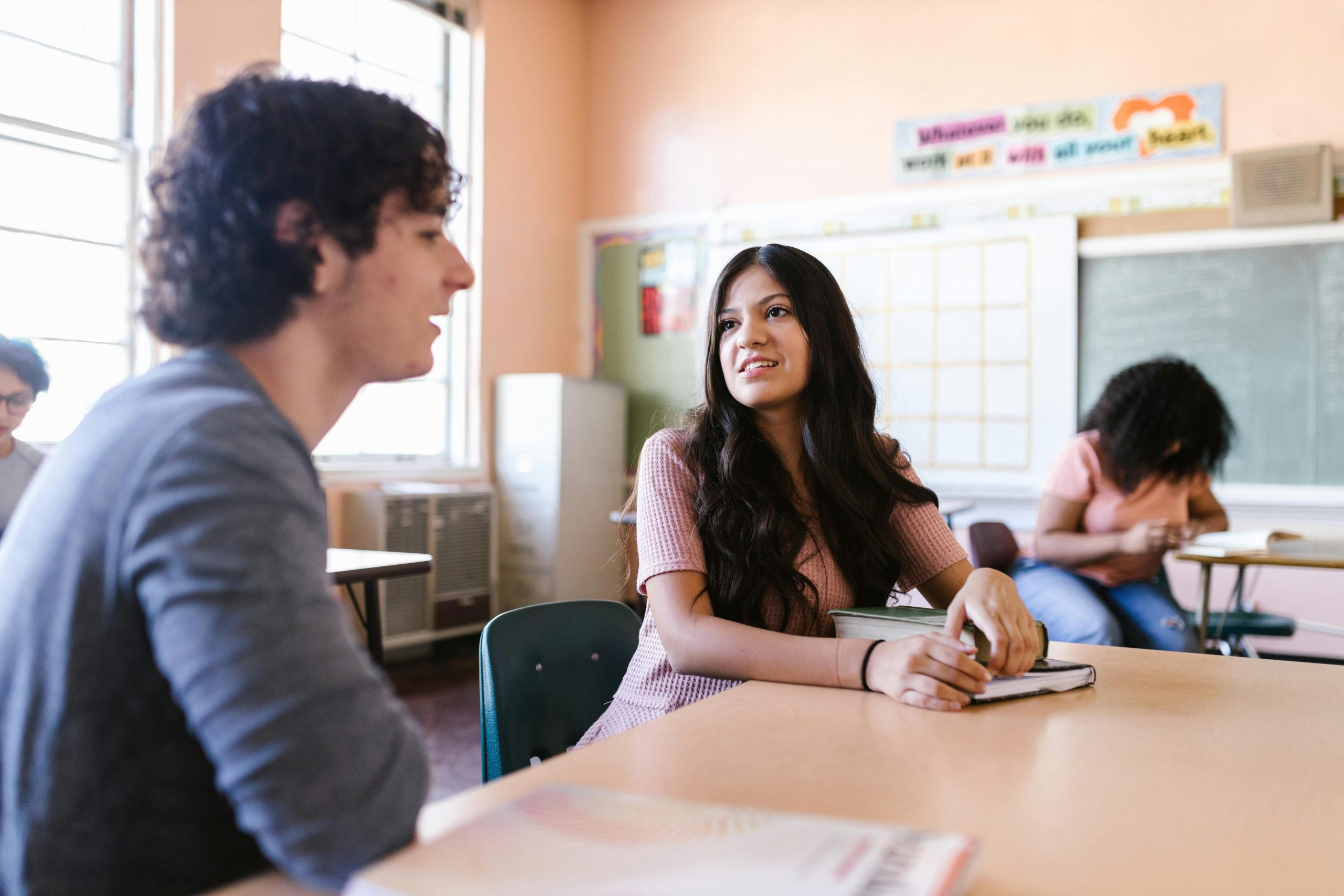
In the traditional education system, teachers are often viewed as the sole purveyors of knowledge, responsible for imparting information to their students. However, in recent years, a new approach to learning has emerged – peer-to-peer learning. This concept involves students learning from and with one another, rather than solely relying on their teachers. Peer-to-peer learning has gained popularity in classrooms around the world, and for good reason. In this article, we will delve into the power of peer-to-peer learning in classrooms and explore how it can transform traditional education methods into a more collaborative and effective learning experience.
The Benefits of Peer-to-Peer Learning
Peer-to-peer learning has numerous benefits for both students and teachers. It allows students to take an active role in their own learning and encourages them to engage with their peers in a meaningful way. Here are some of the key benefits of peer-to-peer learning in classrooms:
1. Development of critical thinking skills
When students learn from their peers, they are exposed to different perspectives and approaches to learning. This helps them to develop their critical thinking skills as they are required to evaluate and analyze various ideas and concepts, rather than simply memorizing information from textbooks. By encouraging students to think critically, peer-to-peer learning promotes a deeper understanding of the subject matter.
2. Promotes collaboration and teamwork
Collaboration and teamwork are essential skills in both academic and professional settings. Peer-to-peer learning encourages students to work together, share ideas, and support one another’s learning. This not only improves their interpersonal skills but also prepares them for future group projects and team-based work in their careers.
3. Fosters a positive learning environment
In a traditional classroom, some students may feel intimidated or disengaged, leading to a negative learning experience. Peer-to-peer learning, on the other hand, provides a more relaxed and supportive environment. Students learn from their peers who are at a similar academic level, making them feel more comfortable and confident to participate and ask questions without fear of judgment.
The Role of Technology in Peer-to-Peer Learning
In today’s digital age, technology has revolutionized the way we learn. With the widespread availability of devices and internet access, peer-to-peer learning has become even more accessible and effective. The use of technology in peer-to-peer learning allows students to connect with their peers from different parts of the world, providing opportunities to learn about other cultures and perspectives.
Moreover, technology also offers various interactive tools and platforms that can enhance the peer-to-peer learning experience. For example, online discussion forums, video conferencing, and collaborative document sharing allow students to communicate and work together, regardless of their physical location.
Implementing Peer-to-Peer Learning in the Classroom
To effectively incorporate peer-to-peer learning in the classroom, teachers must play a crucial role as facilitators. Here are some tips on how teachers can implement peer-to-peer learning in their classrooms:
1. Create a structured learning environment
To ensure peer-to-peer learning is effective, teachers must establish guidelines and structure for student interactions. This could include setting clear expectations for group work, assigning roles within a group, and providing a framework for discussions and feedback.
2. Encourage active participation
It is important for teachers to actively encourage students’ participation in peer-to-peer learning activities. This could be done through regular check-ins, providing positive feedback, and offering additional support for struggling students.
3. Foster a culture of respect
Peer-to-peer learning can only be successful if there is a culture of respect and collaboration within the classroom. Teachers must establish and reinforce the importance of respecting one another’s opinions and working together towards a common goal.
The Future of Peer-to-Peer Learning
As the education landscape continues to evolve, the role of peer-to-peer learning is becoming increasingly significant. With the rise of remote and hybrid learning, peer-to-peer learning provides a valuable tool for students to continue learning and collaborating with their peers, even outside the physical classroom.
Moreover, the skills and attributes developed through peer-to-peer learning, such as critical thinking, collaboration, and cultural awareness, are highly sought-after in the modern workforce. As such, it is likely that peer-to-peer learning will continue to be a prominent feature in classrooms and educational institutions around the world.
Final Thoughts
Peer-to-peer learning has the potential to transform the traditional education system into a more inclusive, engaging, and effective one. By encouraging students to take ownership of their learning and providing opportunities for collaboration, peer-to-peer learning can foster a positive and supportive learning environment. With technology advancements and the ever-changing education landscape, peer-to-peer learning is set to play an even more significant role in shaping future generations of learners.
Leverage the power of peer-to-peer learning in your classroom and witness the positive impact it has on your students’ academic and personal growth. Embrace this modern approach to learning and unlock the full potential of your students.
Leave a Reply