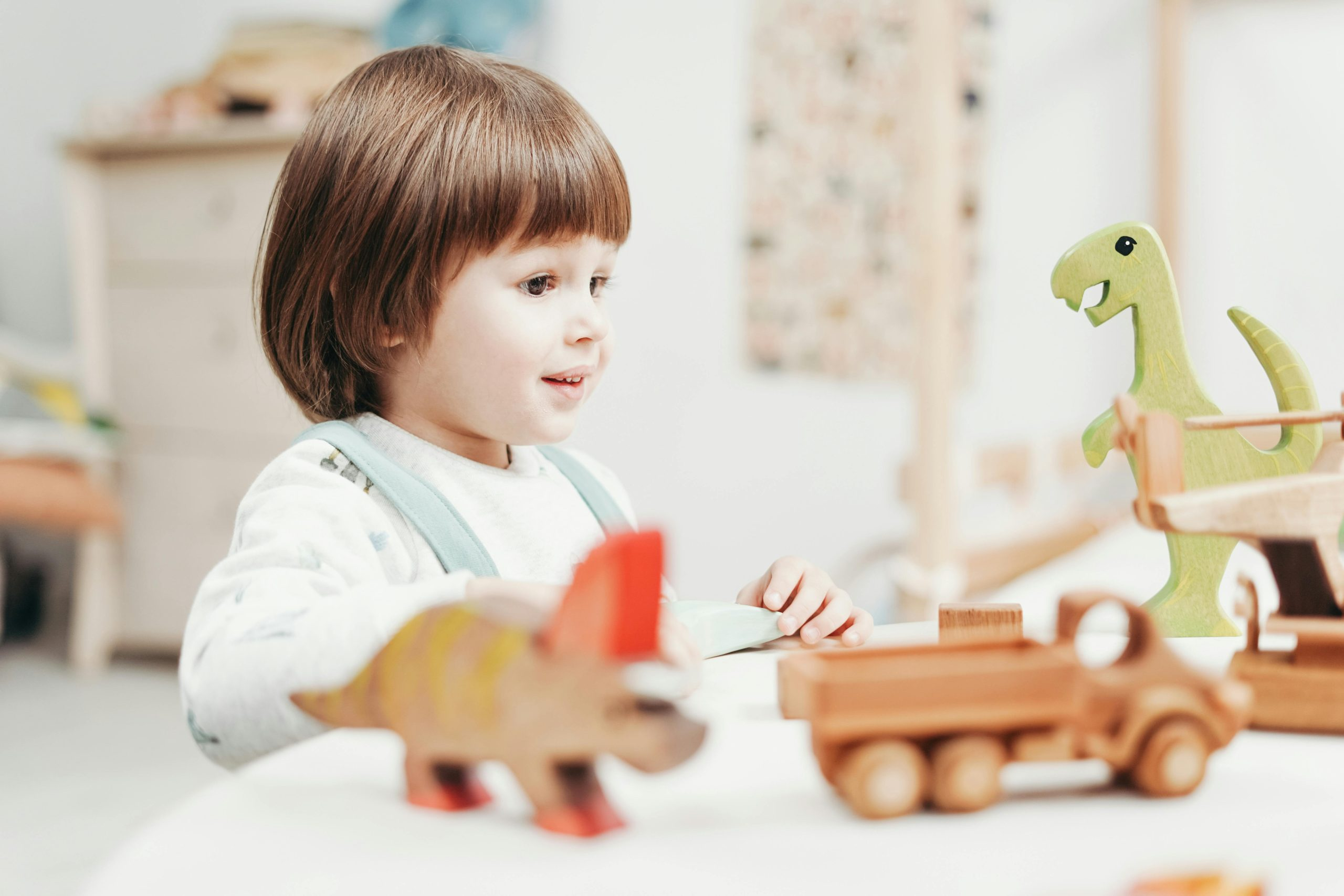
The early years of a child’s life are filled with a sense of wonder, curiosity, and endless possibilities. It is during this time that children are most open to learning and shaping their understanding of the world around them. As parents, caregivers, and educators, it is essential to recognize the power of play in this critical stage of development. Play is not just a form of entertainment; it is a way of learning, exploring, and understanding. In this article, we will delve into the power of play and how it can foster learning through exploration in early years.
The Benefits of Play in Early Years
Play is a crucial aspect of children’s lives, and it serves a variety of purposes in their development. Through play, children learn essential life skills, such as problem-solving, creativity, and social interactions. It also aids in the development of fine and gross motor skills, language, and cognitive abilities. Play is not just an activity that children engage in for fun; it is a vital tool that helps them make sense of the world and build a strong foundation for future learning.
Learning Through Exploration
Children are naturally curious, and this curiosity drives them to explore their surroundings. Through exploration, they are actively engaging their senses, and this provides them with valuable opportunities to learn. For instance, a child playing with blocks is not just stacking them up; they are also learning about cause and effect, spatial awareness, and problem-solving. Similarly, a child playing with paint is not just creating a messy masterpiece; they are experimenting with colors, textures, and the concept of cause and effect.
Exploration through play also allows children to take charge of their learning. As they explore and discover the world, they are developing a sense of independence, confidence, and decision-making skills. By giving children the freedom to explore through play, we are fostering a love of learning and encouraging them to take on challenges.
The Role of the Adult
While play is a powerful tool for learning, it is imperative to understand that it is not entirely self-directed. As adults, our role is crucial in facilitating and supporting children’s play and learning through exploration. We can do this by providing a safe and stimulating environment, offering age-appropriate materials and activities, and engaging in meaningful interactions with the child. By actively participating and observing children during play, we can gain valuable insights into their interests, strengths, and areas that may need more support.
Integrating Play into Learning
In recent years, there has been a growing emphasis on academic achievement in early years. As a result, play has often been seen as a distraction or even a waste of time. However, research has shown that play-based learning can have a tremendous impact on a child’s academic success. By integrating play into learning, we are creating a more holistic and engaging approach to education. Play-based learning allows children to learn at their own pace, follow their interests, and make connections between different areas of learning.
Integrating play into learning does not mean we exclude structured activities or disregard the importance of literacy and numeracy. It means finding a balance between play and academics, as both are necessary for a well-rounded education.
The Importance of Play in Early Years
The power of play in early years cannot be emphasized enough. It is through play that children develop a love for learning, build strong foundations for future academic success, and discover their abilities and interests. As adults, it is our responsibility to recognize the value of play and provide children with the space, materials, and support they need to explore and learn. By doing so, we are setting children up for a bright and successful future.
In Conclusion
The power of play in learning through exploration in early years cannot be denied. It is a critical aspect of childhood development, and as adults, we must promote and facilitate play in all its forms. By doing so, we are not only helping children learn and grow, but we are also fostering their overall wellbeing and happiness. Let us remember that play is not just a luxury for children; it is a necessity.
Leave a Reply