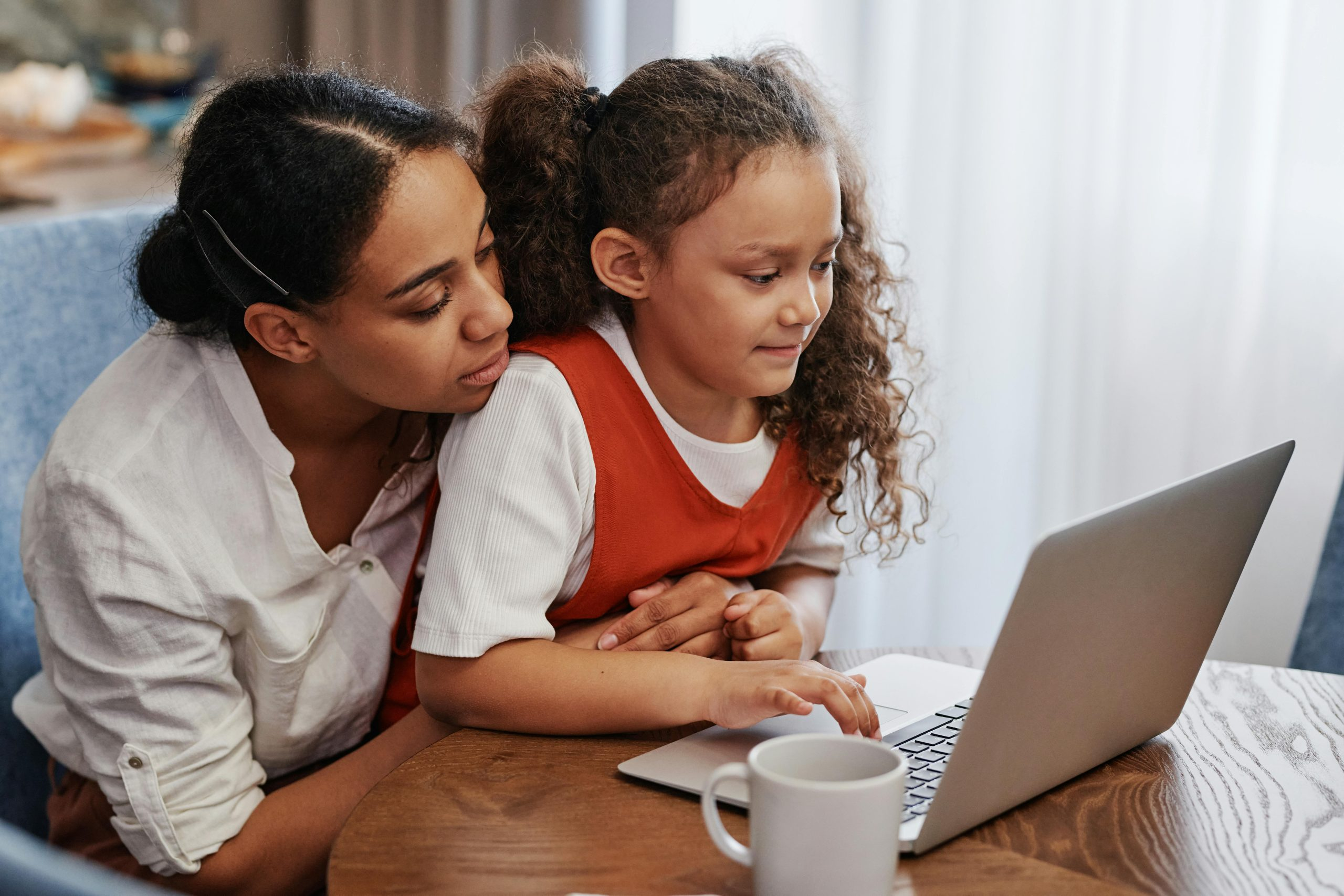
In today’s society, technology has become an integral part of our daily lives. From smartphones to laptops, it seems as though we cannot escape the influence of technology. And this has also seeped into the education system, with the rise of digital tools and platforms in the classroom. Despite the conveniences and advantages that technology brings, it has also sparked debates about whether it should replace traditional teaching methods entirely. In this article, we’ll explore the importance of balancing technology use with traditional teaching methods effectively, and how it can benefit both teachers and students.
The Advantages of Technology in the Classroom
There’s no doubt that technology has made a significant impact on the education system. With the use of digital tools and platforms, teachers can create more engaging and interactive lessons that cater to different learning styles. Students can also have access to a wealth of information and resources at their fingertips, allowing them to learn at their own pace and in their own preferred methods.
Increased Student Engagement
Incorporating technology in the classroom can enhance student engagement, especially for the younger generation who have grown up in a digital world. Technologies such as interactive whiteboards, online quizzes, and educational apps make learning more fun and engaging for students. This, in turn, can lead to increased motivation and interest in the subject matter.
Improved Accessibility and Flexibility
With the use of technology, teachers can create and share digital materials and resources that can be accessed by students from anywhere and at any time. This is especially beneficial for students who may have missed a class or need additional support in certain subjects. It also allows for a more flexible learning experience, as students can choose the best time and place for their studies.
Efficient and Time-Saving
In the past, teachers had to spend a significant amount of time grading papers, creating lesson plans, and organizing their classroom. With the help of technology, many of these tasks can now be done more efficiently, giving teachers more time to focus on teaching and engaging with their students. Digital tools such as online grading systems and classroom management software also help to streamline administrative tasks.
The Importance of Balancing Traditional Teaching Methods
Despite the many advantages of technology in the classroom, it is crucial not to overlook the importance of traditional teaching methods. While technology can enhance the learning experience, it cannot replace the human connection and interaction between teachers and students.
Development of Critical Thinking Skills
Traditional teaching methods, such as lectures and class discussions, require students to think critically and analyze information. This is a vital skill that cannot be fully developed through the use of technology. By balancing traditional teaching methods with technology, students can have a more well-rounded learning experience, allowing them to develop essential critical thinking skills that will benefit them in the future.
Face-to-Face Interaction
Another crucial aspect of traditional teaching methods is face-to-face interaction. Classroom discussions and debates allow students to express their thoughts and ideas, as well as develop their social skills. These interpersonal skills are necessary for success in the workforce and cannot be fully developed through online interactions.
Reducing Screen Time
In today’s digital age, students spend an increasing amount of time in front of screens, whether it’s for schoolwork or leisure activities. By balancing technology use with traditional teaching methods, students can have a break from screen time and engage in more hands-on and interactive learning experiences. This can help to reduce eye strain, headaches, and other negative effects associated with excessive screen time.
Tips for Balancing Technology and Traditional Teaching Methods
So, how can teachers effectively balance technology and traditional teaching methods in the classroom? Here are a few tips to keep in mind.
1. Know Your Objectives
Before incorporating technology into a lesson plan, it’s essential to know your objectives and what you want your students to gain from the activity. This will help you choose the most appropriate technology and ensure that it aligns with your teaching goals.
2. Use Technology to Complement Traditional Teaching Methods
When incorporating technology, it’s crucial to use it as a complement to traditional teaching methods, rather than a replacement. This will help to strike a balance and ensure that students are getting a well-rounded education.
3. Provide Options for Different Learning Styles
Not all students learn the same way, and technology can cater to different learning styles. However, it’s essential to also provide alternative options for students who may not prefer technology-based learning. This could include hands-on activities, group work, or written assignments.
4. Monitor Screen Time
While technology has its advantages, it’s important not to overdo it. Be mindful of the amount of screen time your students are getting and try to minimize it when possible. Make sure to incorporate plenty of breaks and alternative activities to give students a break from screens.
5. Seek Feedback
Lastly, seek feedback from your students on the use of technology in the classroom. This will help you to understand their preferences and ensure that you are striking the right balance.
Conclusion
The integration of technology into the education system has brought about many benefits for both teachers and students. However, it’s crucial not to overlook the importance of traditional teaching methods. By balancing technology use with traditional teaching methods effectively, teachers can create a more engaging, well-rounded, and successful learning experience for their students.
Leave a Reply