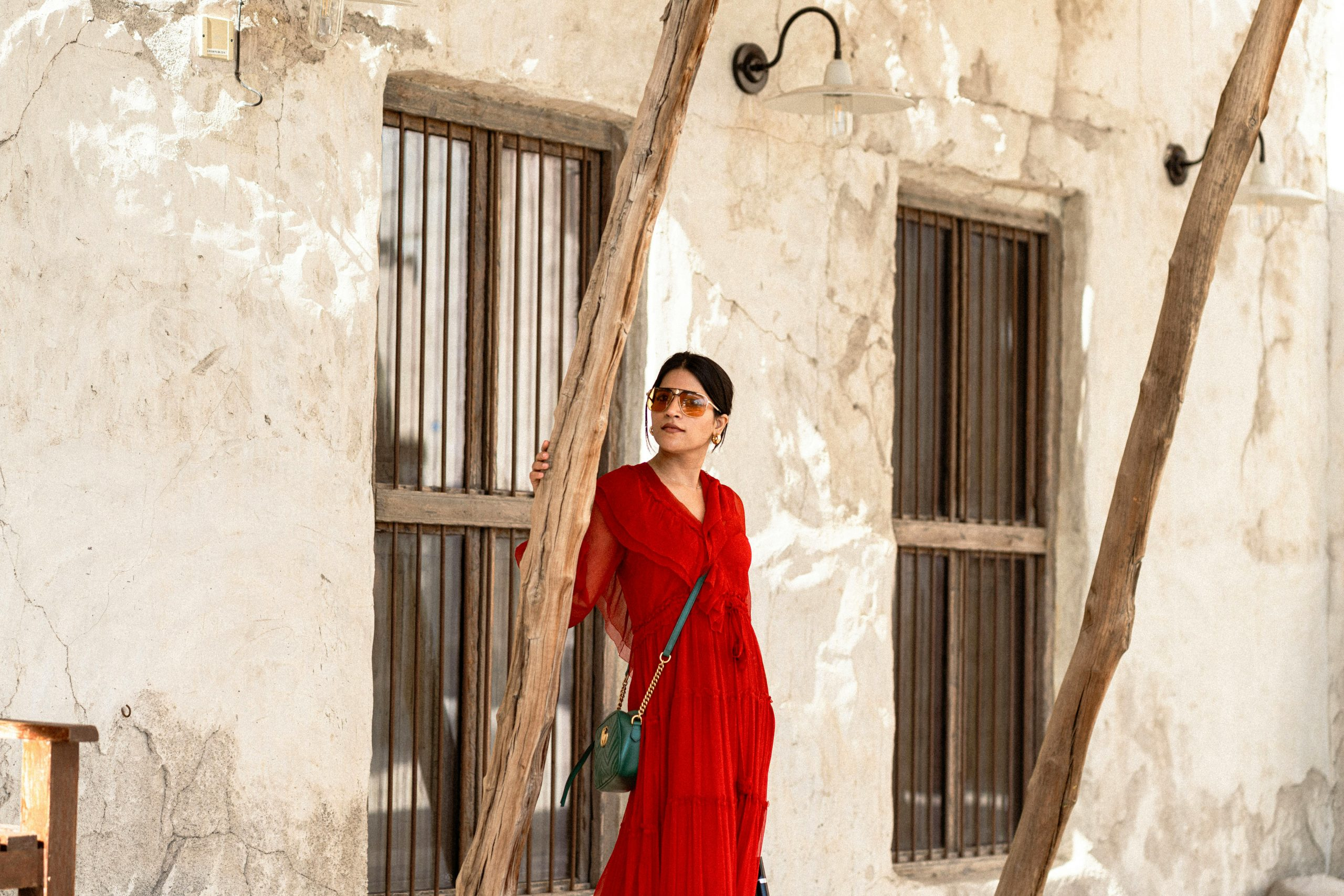
In today’s modern society, traditional dress may seem like a thing of the past. With the rise of globalization and westernization, many countries have chosen to adopt western fashion and leave their traditional dress behind. However, the cultural significance of traditional dress should not be underestimated. In fact, traditional dress plays a crucial role in preserving a country’s cultural heritage, creating a sense of identity, and promoting inclusivity and diversity in society. In this article, we will explore the cultural significance of traditional dress in modern society, and why it should not be disregarded or forgotten.
The Preservation of Cultural Heritage
Traditional dress is often a representation of a country’s history, values, and customs. It is a visual representation of a community’s cultural heritage and serves as a reminder of their past. Through traditional dress, we can learn about the traditions, beliefs, and lifestyles of a particular culture. It allows us to connect with our roots and understand where we come from.
For example, the hanbok, a traditional dress worn in South Korea, is a symbol of the country’s culture and tradition. Its style and design have remained unchanged for centuries, and it continues to hold great significance in Korean society. Each element of the hanbok, from the fabric to the color and patterns, carries a specific meaning and reflects the beliefs and lifestyle of the Korean people.
Creating a Sense of Identity
Traditional dress plays a significant role in creating a sense of identity for individuals and communities. It is a way for people to express their cultural pride and celebrate their heritage. When people wear traditional dress, they are not just wearing a piece of clothing; they are representing their cultural identity and history.
In many countries, traditional dress is worn during special occasions and events, such as weddings or festivals. By wearing traditional dress, people are not only showcasing their cultural pride but also participating in a sense of community and belonging.
Promoting Inclusivity and Diversity
In a world where cultural appropriation and discrimination are still prevalent, traditional dress can serve as a tool for promoting inclusivity and diversity. It allows people from different backgrounds to appreciate and celebrate each other’s cultures. By embracing traditional dress from different cultures, we can build a more accepting and diverse society.
Furthermore, traditional dress can also provide economic opportunities for marginalized communities. Many traditional dressmakers and artisans rely on the production and sale of traditional dress to support their livelihood. By promoting the use of traditional dress, we can help preserve these traditional crafts and support local communities.
Conclusion
In conclusion, traditional dress holds immense cultural significance in modern society. It serves as a bridge between the past and the present, creating a sense of connection and identity for individuals and communities. By embracing traditional dress, we can preserve our cultural heritage, promote inclusivity and diversity, and support local communities. So let us not forget the cultural significance of traditional dress and continue to celebrate and appreciate the beauty and value it brings to our modern society.
Leave a Reply