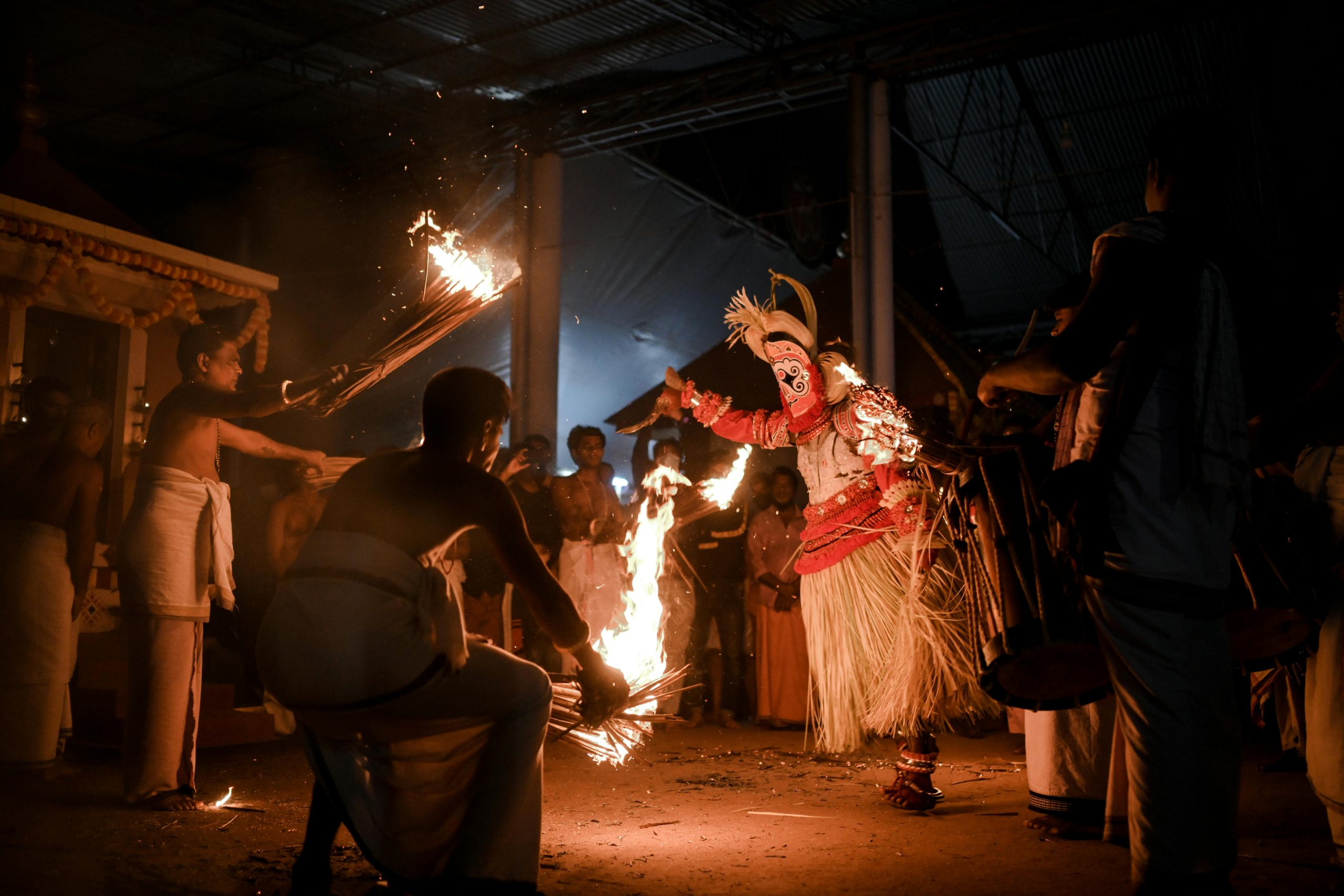
Folk music has long been an integral part of many cultures around the world. These traditional songs and melodies have been passed down from generation to generation, preserving the unique history and heritage of various societies. From the hills of Appalachia in the United States to the villages of Ireland, folk music has played a significant role in shaping the cultural identity of communities. This genre of music has also evolved over time, reflecting the changing values and beliefs of society. In this article, we will explore the cultural significance of folk music traditions and how they have impacted the world.
Understanding Folk Music Traditions
Before we dive into the cultural significance of folk music, it is essential to understand what this genre of music entails. Folk music is often associated with traditional or rural communities and is primarily passed down through oral traditions. It is usually played on traditional instruments and incorporates simple melodies and lyrics. The themes of folk songs often revolve around everyday life, including love, work, and social issues. This music has been a vital way for communities to tell their stories and preserve their cultural heritage.
The Role of Folk Music in Cultural Preservation
One of the main reasons folk music traditions have endured for centuries is their ability to preserve the culture and traditions of a society. In many parts of the world, oral traditions were the primary means of passing down stories, beliefs, and practices. Folk music was often used as a way to teach younger generations about their cultural heritage and keep it alive. For example, the Gaelic language in Ireland was preserved through the singing of traditional folk songs. This music gave a voice to the people and their traditions, allowing them to share their unique cultural identity with the world.
Folk Music and Social Commentary
Another significant aspect of folk music is its ability to reflect the social and political climate of a society. Many folk songs were used as a form of protest against societal issues such as poverty, inequality, and injustice. During the Civil Rights Movement in the United States, artists like Bob Dylan and Joan Baez used music to spread messages of equality and freedom. Folk music also played a crucial role in the anti-apartheid movement in South Africa, with artists like Miriam Makeba and Hugh Masekela using their voices to raise awareness and demand change.
The Influence of Folk Music on Other Genres
Folk music has also had a significant impact on other genres of music, shaping their sound and lyrics. Many popular songs and artists today are heavily influenced by folk music traditions. For example, the music of the Beatles was heavily influenced by folk and blues artists like Woody Guthrie and Lead Belly. Folk music has also influenced contemporary artists such as Mumford and Sons, The Lumineers, and The Avett Brothers, who incorporate traditional folk elements into their music. This influence has allowed folk music to continue to evolve and remain relevant in modern times.
Preserving Folk Music Traditions
Despite the rich cultural significance of folk music, there are concerns about its preservation in the modern world. With the rise of technology and globalization, many traditional communities are facing challenges in keeping their folk music traditions alive. However, efforts are being made to preserve this valuable cultural heritage. Organizations like the Smithsonian Center for Folklife and Cultural Heritage in the United States and the International Council for Traditional Music work towards documenting and promoting folk music from around the world.
The Impact of Folk Music on Tourism and Economy
Folk music also has a significant impact on the tourism industry and local economies. In many parts of the world, folk music festivals and events attract thousands of tourists, contributing to the local economy and preserving the traditions of local communities. This music is a source of pride for many countries and is often used to promote cultural tourism. For example, the annual Winnipeg Folk Festival in Canada attracts over 50,000 visitors each year, generating millions of dollars in economic impact.
Conclusion
In conclusion, folk music traditions hold immense cultural significance in various societies around the world. This genre of music has played a vital role in preserving cultural heritage, spreading messages of social change, and shaping the sound of other genres. While there are challenges in preserving folk music traditions, efforts are being made to protect this valuable cultural heritage. As we continue to explore and appreciate the diverse world of folk music, we can continue to appreciate its role in shaping our cultural identities.
Leave a Reply