Author: Yoav

  • Exploring Alternative Schooling Methods Like Montessori and Waldorf

    Exploring Alternative Schooling Methods Like Montessori and Waldorf

    In a traditional school setting, students are often taught in a structured and standardized way, with little room for personalization and creativity. However, in recent years, there has been a growing interest in alternative schooling methods that seek to provide a more holistic and individualized education for children. Two of the most well-known alternative methods are the Montessori and Waldorf approaches. In this article, we will explore these alternative schooling methods and how they differ from traditional schooling.

    The Montessori Method

    What is Montessori Education?

    The Montessori method was developed by Dr. Maria Montessori, an Italian physician and educator, in the early 20th century. It focuses on providing a child-centered education that follows the natural development of each individual child. Montessori education is based on the principles of self-directed learning, hands-on activities, and individualized instruction.

    How Does Montessori Education Work?

    In a Montessori classroom, children are encouraged to explore and learn at their own pace. The teacher acts as a guide, rather than a traditional instructor, and provides materials and activities designed to stimulate the child’s interests. These materials are specifically designed to be self-correcting, so children can learn independently and at their own pace.

    Montessori education is divided into different age groups, typically ranging from 3-6 years, 6-9 years, and 9-12 years. Each classroom is equipped with a variety of hands-on materials that are designed to develop different skills, such as sensory and motor skills, language, and math. Children are free to choose which activities they want to work on, giving them a sense of autonomy and independence in their learning.

    What are the Benefits of Montessori Education?

    One of the main benefits of Montessori education is that it allows children to learn at their own pace, without feeling pressured or rushed. This can help boost their confidence and self-esteem, as they are able to see their own progress and achievements.

    Montessori education also encourages children to become independent and responsible learners. They are given the freedom to make their own choices and learn from their mistakes, which helps develop critical thinking and problem-solving skills.

    Moreover, the emphasis on hands-on activities and self-directed learning can foster a love for learning in children. By allowing them to explore and discover their own interests, Montessori education promotes a lifelong passion for learning.

    The Waldorf Method

    What is Waldorf Education?

    The Waldorf method, also known as Steiner education, was developed by Rudolf Steiner in the early 20th century. It is based on the belief that education should nourish the whole child, including their physical, emotional, and spiritual development. Waldorf education is guided by the principle of “head, heart, and hands,” which seeks to balance intellectual, artistic, and practical learning.

    How Does Waldorf Education Work?

    Waldorf education is divided into three stages: the Early Childhood stage (ages 0-7 years), the Elementary stage (ages 7-14 years), and the High School stage (ages 14-18 years). Each stage is characterized by a different focus on learning through play, imagination, and creativity.

    In the Early Childhood stage, children are encouraged to engage in imaginative and creative play, with minimal instruction or structured activities. In the Elementary stage, the emphasis is on artistic and creative learning, such as painting, drawing, and music, alongside academic subjects. In the High School stage, students are exposed to a wide range of subjects, with a focus on developing critical thinking and problem-solving skills.

    What are the Benefits of Waldorf Education?

    Waldorf education aims to foster a love for learning and creativity in children. By encouraging imaginative play and artistic expression, it allows children to develop their creativity and imagination, which is often lacking in traditional schooling.

    Moreover, the focus on holistic development in Waldorf education aims to foster a sense of belonging and community in students. This can help develop social and emotional skills, such as empathy, compassion, and communication.

    Furthermore, Waldorf education also emphasizes the importance of physical activity and hands-on learning, which can have a positive impact on a child’s overall well-being and academic performance.

    Which Method is Right for Your Child?

    Both Montessori and Waldorf education seek to provide a more holistic and individualized approach to learning. However, they have different philosophies and methods. Ultimately, the right method for your child will depend on their learning style, interests, and needs.

    If your child thrives in a structured and self-paced learning environment, then Montessori education may be the right choice. On the other hand, if your child is more creative and imaginative, then Waldorf education may be a better fit.

    It’s important to research and visit different schools to see which approach aligns with your child’s needs and values. You may also consider a hybrid approach, where your child can benefit from elements of both Montessori and Waldorf education.

    Conclusion

    The traditional school system may not be the best fit for all children. As seen in Montessori and Waldorf education, there are alternative schooling methods that seek to provide a more individualized and holistic approach to learning. Whether it’s Montessori, Waldorf, or a combination of both, the ultimate goal is to foster a love for learning and help children reach their full potential.
  • The Hidden Costs: Environmental Impact of the Fashion Supply Chain

    The Hidden Costs: Environmental Impact of the Fashion Supply Chain

    The fashion industry is one of the biggest and most influential industries in the world. With its ever-changing trends and fast-paced production, the industry generates billions of dollars annually. However, the hidden costs of this industry are far greater than what meets the eye. The fashion supply chain, from production to consumption, has a significant impact on the environment. In this article, we will dive deeper into the hidden costs and environmental impact of the fashion supply chain.

    The Fast Fashion Model

    In the past few decades, the fashion industry has witnessed a major shift to the fast fashion model. This model focuses on producing low-cost, trendy clothing at a rapid pace. With the rise of fast fashion retailers like Zara, H&M, and Forever 21, the industry has become more dependent on mass-produced, cheaply made clothing. This model has not only changed the way we consume fashion but also has a detrimental impact on the environment.

    First Step: Production

    The first step in the fashion supply chain is production, which involves growing or extracting raw materials, such as cotton, polyester, and leather. The production of these materials alone has a massive impact on the environment. For instance, cotton production requires large amounts of water and chemicals, while the leather industry contributes to deforestation and water pollution. Furthermore, the production process also emits greenhouse gases, contributing to climate change.

    Second Step: Manufacturing

    After the raw materials are sourced, they are then manufactured into clothing items. This step involves large factories and mass production, which leads to increased water and energy consumption. In addition, the use of synthetic materials, such as polyester and nylon, results in microplastic pollution in the oceans. The continuous demand for new clothing also leads to overproduction and excess waste.

    Third Step: Distribution

    Once the garments are produced, they need to be distributed to retailers and consumers. This process involves transportation, which contributes to carbon emissions and air pollution. In addition, the rise of online shopping has also increased the carbon footprint of the fashion supply chain, with packaging and shipping materials being discarded and contributing to waste.

    Final Step: Consumption and Disposal

    The last step in the fashion supply chain is consumption and disposal. The average consumer purchases 60% more clothing and keeps them for half as long as they did 15 years ago. This fast-paced consumption leads to an overflow of clothing waste. In addition, most of the discarded clothing ends up in landfills, where they can take hundreds of years to decompose, releasing toxins into the soil and water.

    The Real Cost: Environmental Impact

    The hidden costs of the fashion supply chain are not just limited to the production and disposal of clothing items. The environmental impact spans across the entire process, from water pollution and emission of greenhouse gases to deforestation and waste. The fashion industry is considered to be the second-largest polluter in the world, just behind the oil industry. This staggering impact on the environment cannot be ignored.

    A Solution: Sustainable Fashion

    In recent years, there has been a growing movement towards sustainable fashion. Sustainable fashion focuses on reducing the environmental and social impact of the fashion industry by promoting ethical and eco-friendly practices. This includes using organic and recycled materials, reducing waste, and promoting fair wages and working conditions for employees.

    What Can You Do?

    As a conscious consumer, there are small steps we can take to reduce the environmental impact of the fashion supply chain. Buying from sustainable and ethical brands, thrifting, and clothing rental are all ways to reduce our contribution to the fast fashion model. We can also prioritize quality over quantity and properly dispose of our unwanted clothing through recycling or donating.

    In conclusion, the hidden costs of the fashion supply chain are far greater than what we see on the price tag. It is crucial for the industry to shift towards more sustainable and ethical practices to reduce its impact on the environment. As consumers, we can also play our part by making conscious choices and demanding change from the fashion industry. Let us strive towards a more sustainable and environmentally-friendly fashion industry for a better future.

  • The Power of Play: Learning Through Exploration in Early Years

    The Power of Play: Learning Through Exploration in Early Years

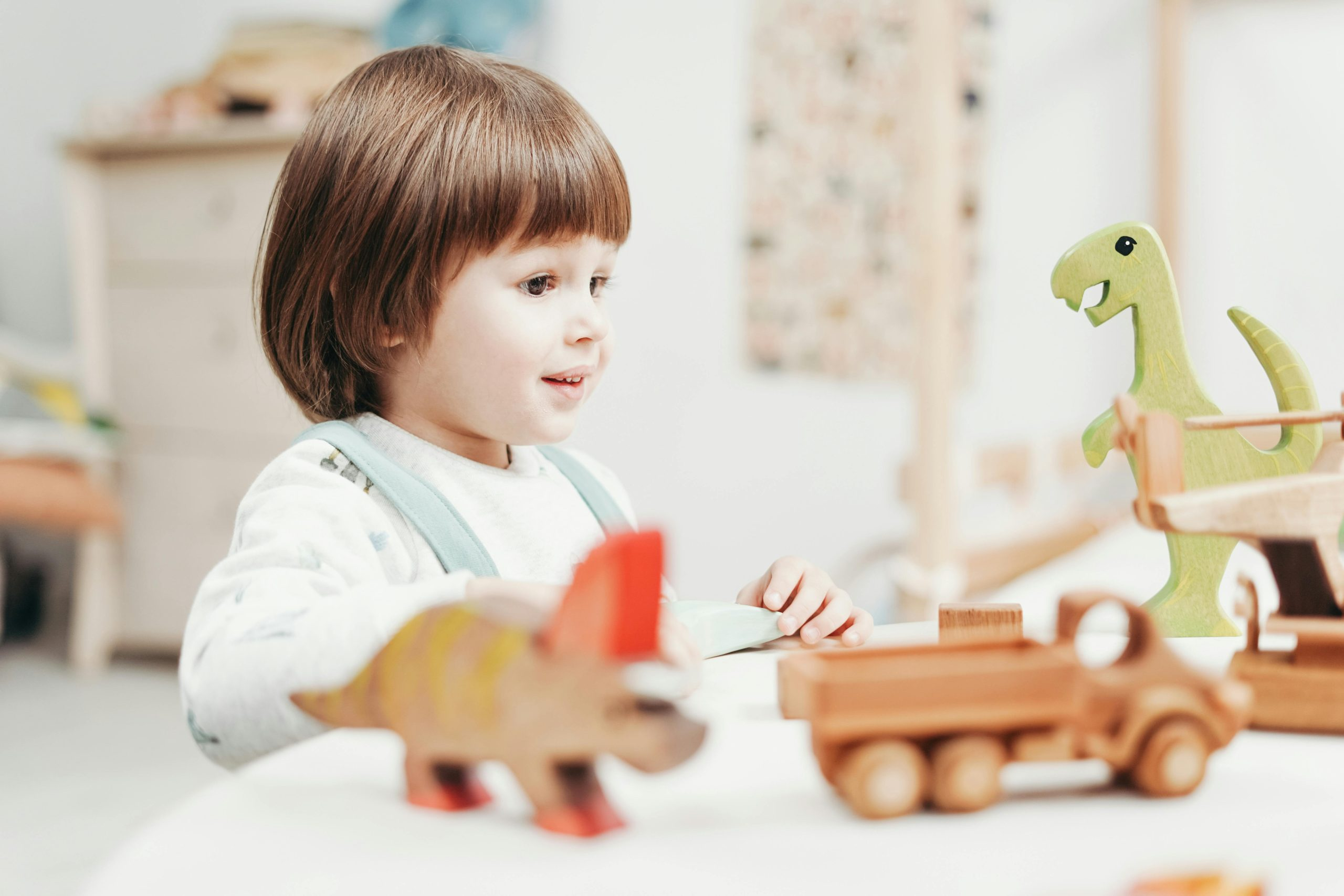
    The early years of a child’s life are filled with a sense of wonder, curiosity, and endless possibilities. It is during this time that children are most open to learning and shaping their understanding of the world around them. As parents, caregivers, and educators, it is essential to recognize the power of play in this critical stage of development. Play is not just a form of entertainment; it is a way of learning, exploring, and understanding. In this article, we will delve into the power of play and how it can foster learning through exploration in early years.

    The Benefits of Play in Early Years

    Play is a crucial aspect of children’s lives, and it serves a variety of purposes in their development. Through play, children learn essential life skills, such as problem-solving, creativity, and social interactions. It also aids in the development of fine and gross motor skills, language, and cognitive abilities. Play is not just an activity that children engage in for fun; it is a vital tool that helps them make sense of the world and build a strong foundation for future learning.

    Learning Through Exploration

    Children are naturally curious, and this curiosity drives them to explore their surroundings. Through exploration, they are actively engaging their senses, and this provides them with valuable opportunities to learn. For instance, a child playing with blocks is not just stacking them up; they are also learning about cause and effect, spatial awareness, and problem-solving. Similarly, a child playing with paint is not just creating a messy masterpiece; they are experimenting with colors, textures, and the concept of cause and effect.

    Exploration through play also allows children to take charge of their learning. As they explore and discover the world, they are developing a sense of independence, confidence, and decision-making skills. By giving children the freedom to explore through play, we are fostering a love of learning and encouraging them to take on challenges.

    The Role of the Adult

    While play is a powerful tool for learning, it is imperative to understand that it is not entirely self-directed. As adults, our role is crucial in facilitating and supporting children’s play and learning through exploration. We can do this by providing a safe and stimulating environment, offering age-appropriate materials and activities, and engaging in meaningful interactions with the child. By actively participating and observing children during play, we can gain valuable insights into their interests, strengths, and areas that may need more support.

    Integrating Play into Learning

    In recent years, there has been a growing emphasis on academic achievement in early years. As a result, play has often been seen as a distraction or even a waste of time. However, research has shown that play-based learning can have a tremendous impact on a child’s academic success. By integrating play into learning, we are creating a more holistic and engaging approach to education. Play-based learning allows children to learn at their own pace, follow their interests, and make connections between different areas of learning.

    Integrating play into learning does not mean we exclude structured activities or disregard the importance of literacy and numeracy. It means finding a balance between play and academics, as both are necessary for a well-rounded education.

    The Importance of Play in Early Years

    The power of play in early years cannot be emphasized enough. It is through play that children develop a love for learning, build strong foundations for future academic success, and discover their abilities and interests. As adults, it is our responsibility to recognize the value of play and provide children with the space, materials, and support they need to explore and learn. By doing so, we are setting children up for a bright and successful future.

    In Conclusion

    The power of play in learning through exploration in early years cannot be denied. It is a critical aspect of childhood development, and as adults, we must promote and facilitate play in all its forms. By doing so, we are not only helping children learn and grow, but we are also fostering their overall wellbeing and happiness. Let us remember that play is not just a luxury for children; it is a necessity.

  • From Runway to Retail: Tracing the Journey of New Trends

    From Runway to Retail: Tracing the Journey of New Trends

    Fashion is ever-evolving, with new trends and styles popping up on the runway every season. But have you ever wondered how these trends make their way from the runway to your favorite retail stores? It’s a journey that involves creativity, business strategies, and impeccable timing. From concept to production, let’s trace the journey of new trends and see how they end up in your wardrobe.

    The Concept: Where Trends Begin

    Before a trend even makes its way to the runway, it starts as a mere idea. Fashion designers draw inspiration from various sources, including street style, art, nature, and even past fashion eras. They then start creating sketches and mood boards to bring their vision to life. These designs are usually far from the end product, but they lay the foundation for the upcoming trend.

    The Runway Show: Setting the Stage

    Once the fashion designs are finalized, it’s time for the highly anticipated runway show. This is where the designers showcase their collections, and industry insiders, including buyers, editors, influencers, and celebrities, get a first look at the new trends. The runway show sets the stage for what’s to come and generates buzz around the upcoming trends.

    Fashion Forecasting: Predicting What’s Next

    Before a trend reaches the retail stores, it goes through a process of fashion forecasting. This involves analyzing current fashion trends, consumer behavior, and market demands to predict what will be popular in the future. Fashion forecasting agencies provide valuable insights and data to fashion brands and retailers, helping them make informed decisions about which trends to produce and sell.

    The Production: Bringing Trends to Life

    Once the trends have been forecasted, it’s time for them to be produced. Fashion brands work with manufacturers and suppliers to manufacture their designs in bulk. This involves sourcing materials, creating samples, and perfecting the final product. This process can take anywhere from weeks to months, depending on the complexity of the trend.

    Brand Collaboration: The Power of Partnerships

    In recent years, collaborations between fashion brands and celebrities or influencers have become a significant part of trend production. These partnerships not only bring more exposure to the trend but also create a sense of exclusivity and hype around it. Collaborations have proven to be successful in making trends more desirable to consumers.

    Social Media: Spreading the Word

    In today’s digital age, social media plays a crucial role in promoting new trends. With a few clicks, consumers can see the latest trends on their favorite influencers or on their Instagram feed. Fashion brands also use social media to showcase their new collections and create buzz around their trends. This exposure helps create demand for the trend even before it hits the stores.

    The Arrival: From Retail to Your Wardrobe

    Finally, the trend makes its way to retail stores, where consumers can purchase it. Retailers play a vital role in bringing the trend from the runway to the consumer. They use their knowledge of consumer behavior and trends to determine how much of each trend to stock and how to merchandise it to attract buyers. This is where all the earlier steps come together, with the trend making its way to consumers’ wardrobes.

    The Evolution: Trends Never Really Die

    Even after the trend has made its way to the retail stores and consumers’ wardrobes, its journey is far from over. Trends tend to come and go, but they never really die. They evolve and often make a comeback in the future. Fashion trends are cyclical, and what was once trendy and popular may come back in style a few years later.

    The journey from runway to retail is a long and complex one. It involves numerous creative minds and strategic decisions to make a trend a success. Fashion is an ever-changing industry, and it’s fascinating to see how trends make their way from a simple idea to a widely popular style. Next time you see a trend in your favorite retail store, remember the journey it took to get there.

  • Teaching Resilience: Preparing Students for Setbacks and Failures

    Teaching Resilience: Preparing Students for Setbacks and Failures

    As educators, we often focus on teaching students academic subjects such as math, language arts, and science. However, one crucial aspect of education that often gets overlooked is teaching resilience. In today’s fast-paced and competitive world, students are bound to face setbacks and failures at some point in their academic and personal lives. Hence, it is imperative that we equip them with the skills and mindset to bounce back from these challenges and thrive. In this article, we will explore the importance of teaching resilience and practical ways to prepare students for setbacks and failures.

    The Impact of Resilience

    Resilience can be defined as the ability to adapt and cope in the face of adversity or stress. It is a skill that allows individuals to bounce back from difficult situations and continue moving forward. In the past, academic success was often attributed to intelligence and aptitude. However, research now shows that resilience is a crucial factor in achieving success in academics and beyond.

    According to a study by the American Psychological Association, resilient students are more likely to have higher grades, stronger relationships, and better mental health. They are also less likely to engage in risky behaviors and have a positive outlook on life. In contrast, students who lack resilience may struggle with low self-esteem, anxiety, and other mental health challenges. Therefore, teaching resilience is not only essential for academic success but also for the overall well-being of students.

    The Role of Educators in Teaching Resilience

    While some individuals may naturally possess a more resilient mindset, resilience can also be taught and nurtured. As educators, we play a critical role in shaping the attitudes and behaviors of our students. Here are some practical ways we can help prepare our students for setbacks and failures:

    1. Encourage a growth mindset

    A growth mindset is the belief that intelligence, abilities, and talents can be developed through effort and perseverance. Students with a growth mindset are more likely to see setbacks as opportunities for growth and learning, rather than failures. As educators, we can foster a growth mindset through praise, constructive feedback, and emphasizing the process rather than the outcome.

    2. Teach problem-solving skills

    Resilient individuals are good problem-solvers. They have the ability to identify the issue, come up with possible solutions, and adapt to unexpected challenges. As part of our curriculum, we can include activities and projects that require students to think critically and come up with creative solutions. We can also model problem-solving skills in our own actions and reactions to challenges.

    3. Promote a positive classroom culture

    The classroom environment plays a crucial role in shaping students’ attitudes and behavior. As educators, we can create a positive and supportive classroom culture by fostering a sense of community, encouraging teamwork, and celebrating each student’s unique strengths and abilities. When students feel safe and supported, they are more likely to take risks and bounce back from setbacks.

    4. Teach stress management techniques

    In today’s high-pressure world, stress is inevitable. However, students need to learn how to manage stress in a healthy way. As educators, we can teach techniques such as deep breathing, mindfulness, and positive self-talk. These skills can help students stay calm and focused during challenging times.

    Conclusion

    Teaching resilience not only prepares students for setbacks and failures, but it also equips them with crucial life skills. As educators, we have the opportunity to make a positive impact on our students’ lives by nurturing their resilience. By fostering a growth mindset, teaching problem-solving skills, promoting a positive classroom culture, and teaching stress management techniques, we can help our students thrive and reach their full potential. Let us make resilience a priority in our classrooms and empower the next generation to face challenges head-on.

  • Implementing Project-Based Learning for Authentic Student Inquiry

    Implementing Project-Based Learning for Authentic Student Inquiry

    Welcome to the world of project-based learning, where students become the drivers of their own education. Gone are the days of traditional classrooms with teacher-centered instruction and worksheet-based assignments. In today’s ever-advancing world, it is crucial for students to develop essential skills such as critical thinking, problem-solving, collaboration, and creativity. This is why implementing project-based learning (PBL) for authentic student inquiry has become a popular approach to education, and it is proving to be an effective method in preparing students for the real world.

    What is Project-Based Learning?

    Project-based learning is an instructional method that involves students in a hands-on, real-world project that is relevant to their lives. It is a student-centered approach where students are given the freedom to choose their project topic, conduct research, and work collaboratively to design and present their final product. The goal of PBL is for students to acquire and apply knowledge and skills in a meaningful and practical way, resulting in a deeper understanding of the subject matter.

    The Importance of Authentic Student Inquiry

    Authentic student inquiry is a critical component of project-based learning. It involves students in the process of generating their own questions, exploring and investigating solutions, and critically reflecting on their learning journey. Unlike traditional teaching methods where students are given the answers, PBL encourages students to ask questions and seek answers through active engagement with the project.

    Developing Important Skills

    By implementing project-based learning for authentic student inquiry, students have the opportunity to develop essential skills that are applicable in the real world. For instance, as students engage in hands-on projects, they learn the importance of critical thinking and problem-solving as they try to find solutions to the challenges they may encounter. Additionally, they develop strong communication and collaboration skills as they work in teams to complete their project. These skills are crucial in the workplace and everyday life.

    Relevancy to Real Life

    In traditional classroom settings, students often ask, “when will I ever use this in real life?” With PBL, students are given the opportunity to apply their learning in a real and meaningful way. Projects are designed to be relevant to students’ lives, interests, and communities, making the learning experience more engaging and motivating. This relevancy also leads to a deeper understanding and retention of knowledge and skills.

    Implementing PBL in the Classroom

    The implementation of project-based learning requires a shift in the role of the teacher and student. Instead of being a lecturer, the teacher becomes a facilitator, guiding students through the project process and providing necessary resources. Students take on an active role in their learning, as they collaborate, problem-solve, and take ownership of their projects.

    Step 1: Design An Authentic Project

    The first step in implementing PBL is to design an authentic project that aligns with the curriculum and learning objectives. The project should be challenging and have real-world connections to motivate students. It should also allow for student voice and choice, giving students the freedom to explore their interests while still meeting the learning objectives.

    Step 2: Group Work

    For projects to be successful, students must work collaboratively in groups. Teachers should ensure that groups are diverse, with different strengths and abilities, to promote teamwork and peer learning. By working as a team, students learn to communicate effectively, delegate tasks, and work towards a common goal.

    Step 3: Continuous Evaluation

    In project-based learning, evaluation is not limited to a final product or exam. Instead, continuous evaluation throughout the project allows for active feedback and reflection. This can be done through regular check-ins, peer evaluations, and self-assessments. This process encourages students to refine and improve their work while also developing reflective skills.

    Step 4: Celebrate Success

    Once the project is complete, it is essential to celebrate and showcase student work. This can be done by hosting an exhibition or presentation for the school community, giving students the opportunity to share their learning journey and the final product. This celebration also allows for recognition and appreciation of students’ hard work and dedication.

    In Conclusion

    In a world that is constantly evolving, it is vital for students to develop the necessary skills to succeed. Implementing project-based learning for authentic student inquiry provides a platform for students to develop these crucial skills while also deepening their understanding of the subject matter. By applying their learning in a real-world context, students are better prepared for the challenges and opportunities that await them after graduation. Project-based learning is not just an educational approach; it is a way of preparing our students for life.