Category: Education

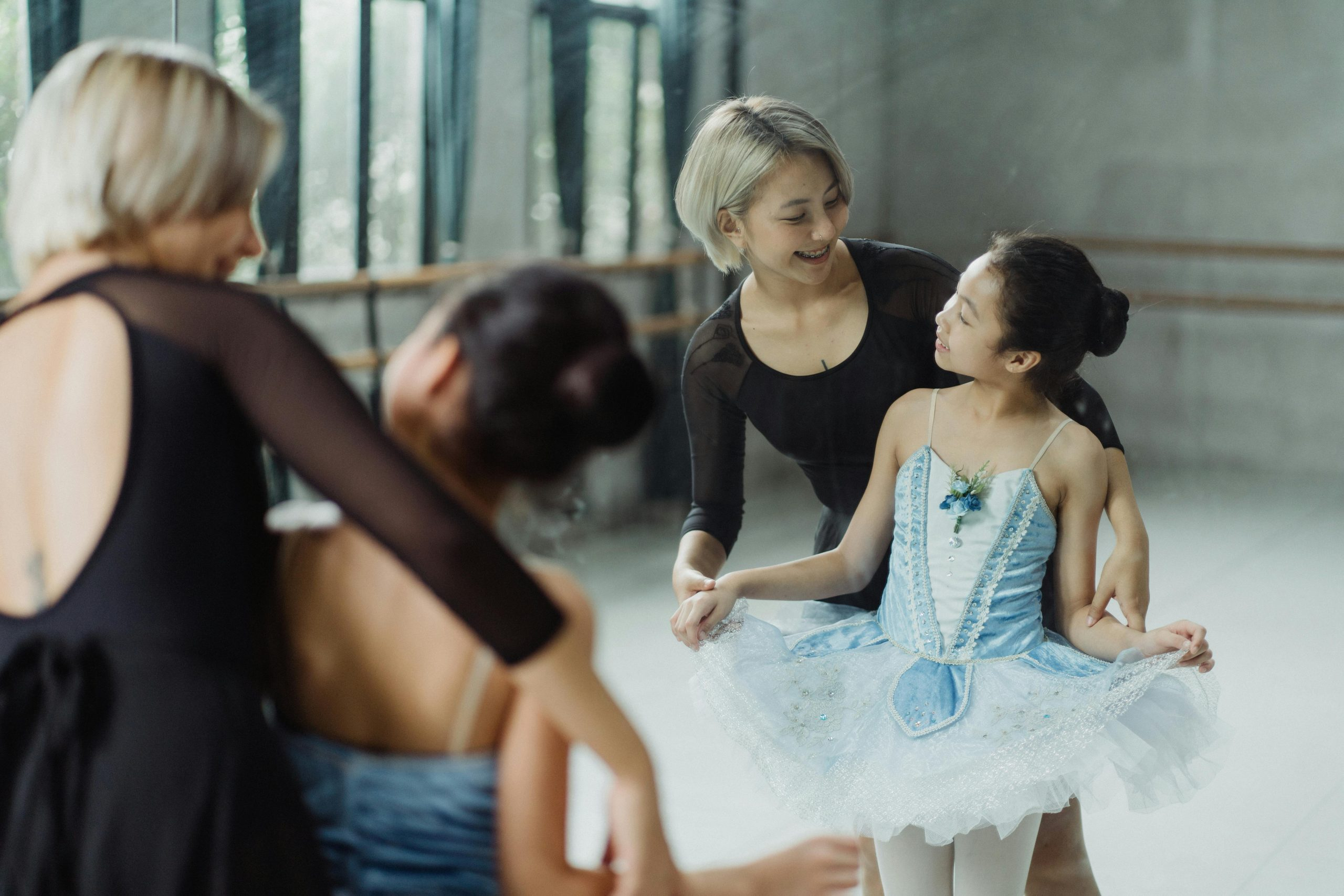
  • Understanding the Importance of Physical Education and Wellness

    Understanding the Importance of Physical Education and Wellness

    >

    In today’s fast-paced society, where technology reigns supreme and sedentary lifestyles are becoming the norm, physical education and wellness may seem like buzzwords that hold little importance. However, the truth is, these fundamental concepts hold a significant role in shaping our physical, mental, and emotional well-being. As we delve deeper into the importance of physical education and wellness, we will unravel the various benefits it offers and why it should be an essential part of our lives.

    The Importance of Physical Education

    Promotes Physical Health and Fitness

    Physical education is not just about engaging in sports and physical activities; it is about learning how to lead a healthy lifestyle and taking care of our physical bodies. According to the Centers for Disease Control and Prevention (CDC), regular physical activity can help prevent chronic diseases such as heart disease, diabetes, and obesity. Through physical education, individuals learn about the importance of maintaining a balanced diet, incorporating physical activity into their daily routine, and developing good hygiene habits.

    Develops Motor Skills

    Physical education also plays a vital role in developing an individual’s motor skills, coordination, and balance. From basic movements like running and jumping to complex skills like throwing and catching, physical education provides a platform for individuals to hone these skills and improve their overall physical abilities. This not only helps in sports and recreational activities but also in daily tasks and movements.

    Boosts Mental Health

    The benefits of physical education go beyond just physical health; it also has a positive impact on mental well-being. Exercise has been proven to release endorphins, also known as “feel-good” hormones, which help reduce stress, anxiety, and depression. In a world where mental health disorders are on the rise, physical education can serve as a natural and effective way to improve one’s mental state.

    The Importance of Wellness

    Promotes Holistic Well-being

    Wellness encompasses every aspect of an individual’s life – physical, mental, emotional, and social. It focuses on achieving a balance between these different aspects and nurturing them for overall well-being. Physical education is an essential component of wellness as it helps individuals inculcate healthy habits and maintain a balance between their physical and mental health.

    Reduces Risk of Chronic Diseases

    By promoting a healthy lifestyle, wellness also helps in reducing the risk of chronic diseases. Physical exercise, mindfulness, and self-care practices all play a crucial role in keeping diseases at bay. When individuals prioritize their wellness, they are less likely to fall prey to preventable diseases, leading to a healthier and happier life.

    Enhances Productivity and Performance

    Wellness also impacts an individual’s productivity and performance. When individuals take care of their overall well-being, they are likely to have higher levels of energy, better focus, and improved cognitive abilities. This, in turn, leads to better performance at work or school, contributing to personal and professional growth.

    Conclusion

    Physical education and wellness may seem like insignificant concepts in the grand scheme of things, but their importance cannot be undermined. As we have seen, these two concepts go hand in hand and are crucial for our overall health and well-being. By incorporating physical education and wellness into our lives, we can lead a healthier, happier, and more fulfilling life.
  • Balancing Technology Use With Traditional Teaching Methods Effectively

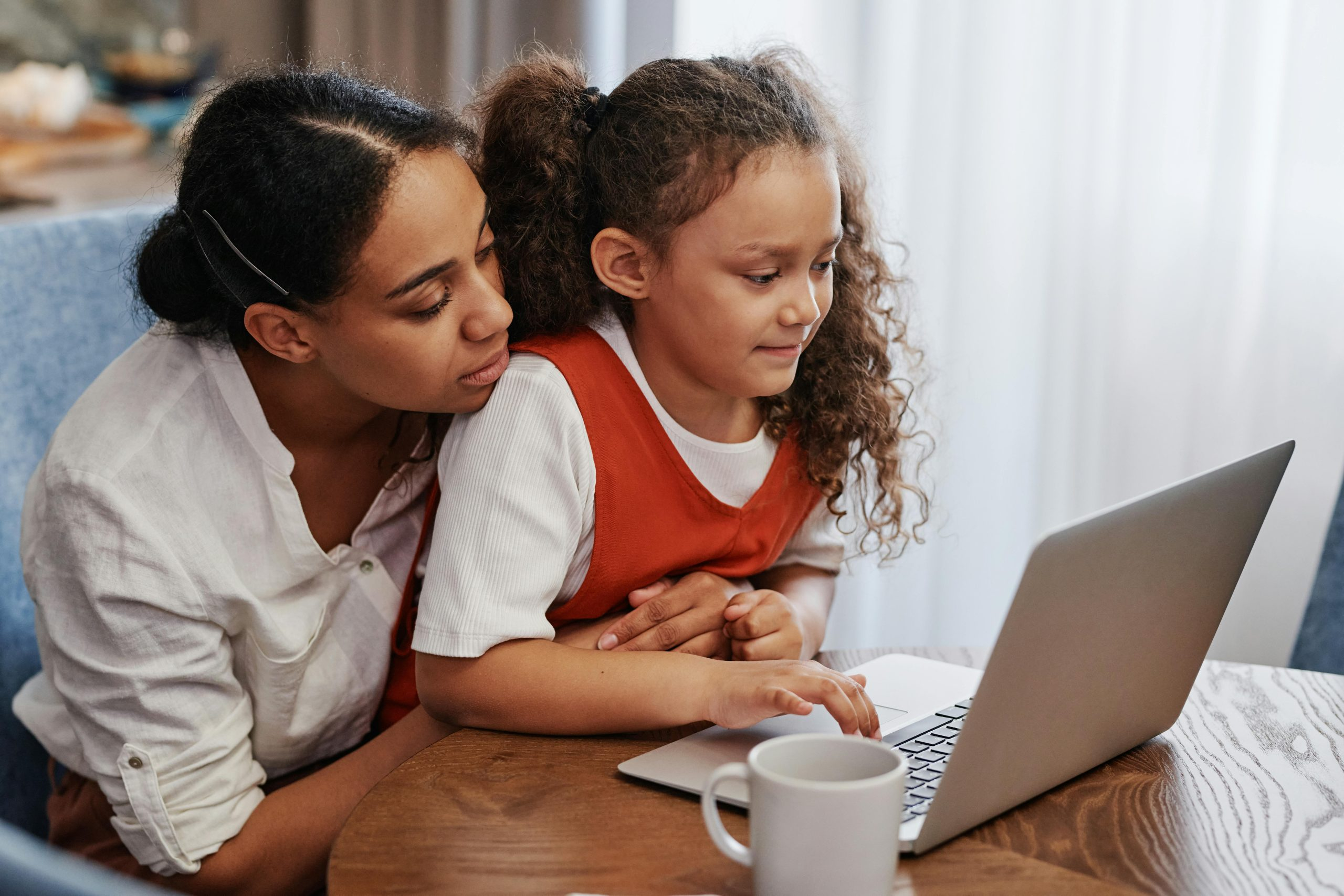
    Balancing Technology Use With Traditional Teaching Methods Effectively

    In today’s society, technology has become an integral part of our daily lives. From smartphones to laptops, it seems as though we cannot escape the influence of technology. And this has also seeped into the education system, with the rise of digital tools and platforms in the classroom. Despite the conveniences and advantages that technology brings, it has also sparked debates about whether it should replace traditional teaching methods entirely. In this article, we’ll explore the importance of balancing technology use with traditional teaching methods effectively, and how it can benefit both teachers and students.

    The Advantages of Technology in the Classroom

    There’s no doubt that technology has made a significant impact on the education system. With the use of digital tools and platforms, teachers can create more engaging and interactive lessons that cater to different learning styles. Students can also have access to a wealth of information and resources at their fingertips, allowing them to learn at their own pace and in their own preferred methods.

    Increased Student Engagement

    Incorporating technology in the classroom can enhance student engagement, especially for the younger generation who have grown up in a digital world. Technologies such as interactive whiteboards, online quizzes, and educational apps make learning more fun and engaging for students. This, in turn, can lead to increased motivation and interest in the subject matter.

    Improved Accessibility and Flexibility

    With the use of technology, teachers can create and share digital materials and resources that can be accessed by students from anywhere and at any time. This is especially beneficial for students who may have missed a class or need additional support in certain subjects. It also allows for a more flexible learning experience, as students can choose the best time and place for their studies.

    Efficient and Time-Saving

    In the past, teachers had to spend a significant amount of time grading papers, creating lesson plans, and organizing their classroom. With the help of technology, many of these tasks can now be done more efficiently, giving teachers more time to focus on teaching and engaging with their students. Digital tools such as online grading systems and classroom management software also help to streamline administrative tasks.

    The Importance of Balancing Traditional Teaching Methods

    Despite the many advantages of technology in the classroom, it is crucial not to overlook the importance of traditional teaching methods. While technology can enhance the learning experience, it cannot replace the human connection and interaction between teachers and students.

    Development of Critical Thinking Skills

    Traditional teaching methods, such as lectures and class discussions, require students to think critically and analyze information. This is a vital skill that cannot be fully developed through the use of technology. By balancing traditional teaching methods with technology, students can have a more well-rounded learning experience, allowing them to develop essential critical thinking skills that will benefit them in the future.

    Face-to-Face Interaction

    Another crucial aspect of traditional teaching methods is face-to-face interaction. Classroom discussions and debates allow students to express their thoughts and ideas, as well as develop their social skills. These interpersonal skills are necessary for success in the workforce and cannot be fully developed through online interactions.

    Reducing Screen Time

    In today’s digital age, students spend an increasing amount of time in front of screens, whether it’s for schoolwork or leisure activities. By balancing technology use with traditional teaching methods, students can have a break from screen time and engage in more hands-on and interactive learning experiences. This can help to reduce eye strain, headaches, and other negative effects associated with excessive screen time.

    Tips for Balancing Technology and Traditional Teaching Methods

    So, how can teachers effectively balance technology and traditional teaching methods in the classroom? Here are a few tips to keep in mind.

    1. Know Your Objectives

    Before incorporating technology into a lesson plan, it’s essential to know your objectives and what you want your students to gain from the activity. This will help you choose the most appropriate technology and ensure that it aligns with your teaching goals.

    2. Use Technology to Complement Traditional Teaching Methods

    When incorporating technology, it’s crucial to use it as a complement to traditional teaching methods, rather than a replacement. This will help to strike a balance and ensure that students are getting a well-rounded education.

    3. Provide Options for Different Learning Styles

    Not all students learn the same way, and technology can cater to different learning styles. However, it’s essential to also provide alternative options for students who may not prefer technology-based learning. This could include hands-on activities, group work, or written assignments.

    4. Monitor Screen Time

    While technology has its advantages, it’s important not to overdo it. Be mindful of the amount of screen time your students are getting and try to minimize it when possible. Make sure to incorporate plenty of breaks and alternative activities to give students a break from screens.

    5. Seek Feedback

    Lastly, seek feedback from your students on the use of technology in the classroom. This will help you to understand their preferences and ensure that you are striking the right balance.

    Conclusion

    The integration of technology into the education system has brought about many benefits for both teachers and students. However, it’s crucial not to overlook the importance of traditional teaching methods. By balancing technology use with traditional teaching methods effectively, teachers can create a more engaging, well-rounded, and successful learning experience for their students.

  • The Future Is Now: Coding Education for All Young Students

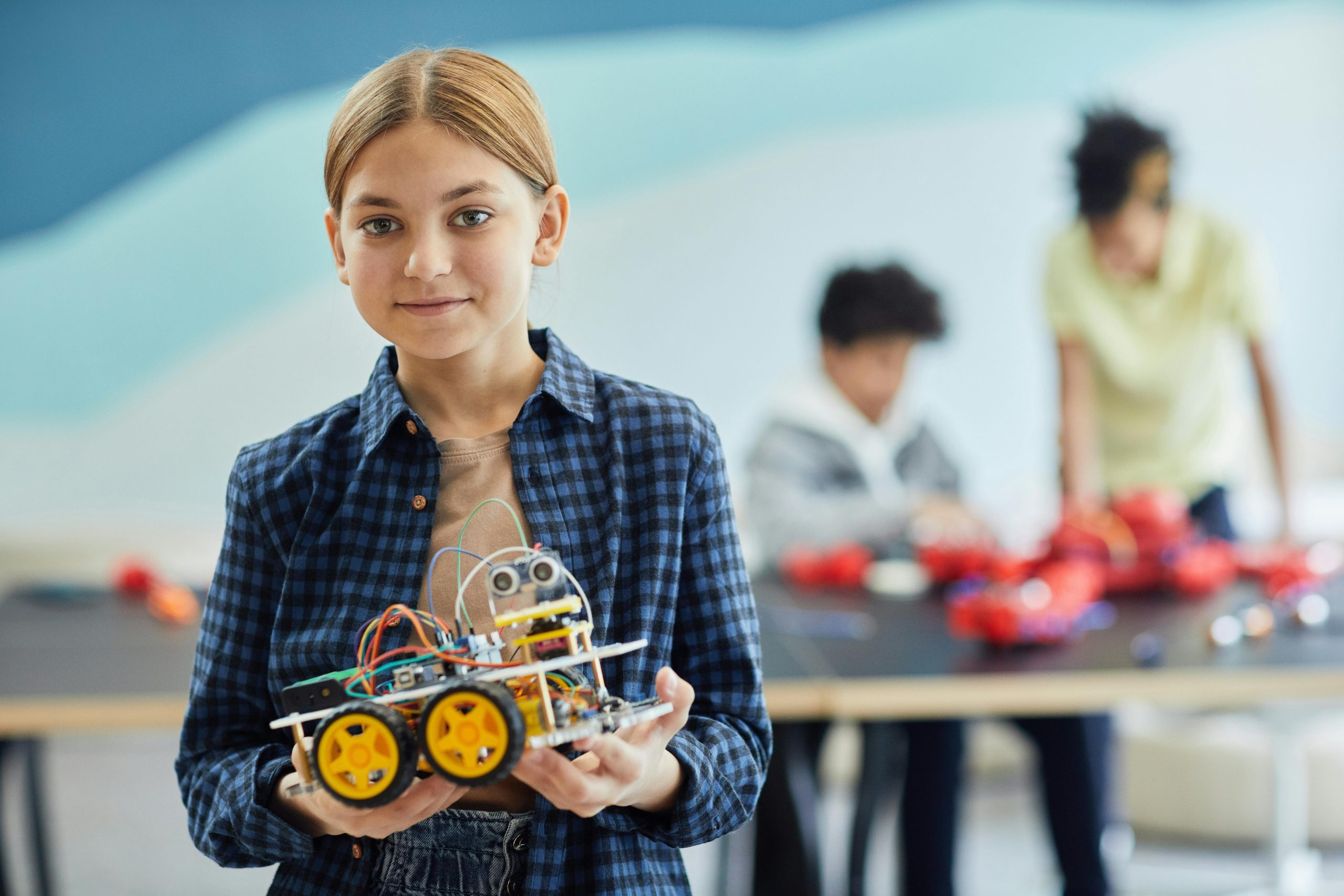
    The Future Is Now: Coding Education for All Young Students

    We live in a digital age, where technology advances at a rapid pace and shapes the way we live, work, and communicate. As the world becomes increasingly interconnected, coding has emerged as an essential skill for the future generation to thrive in this ever-evolving landscape. It is not just for computer experts or programmers, but coding education is becoming a necessary tool for all young students. The future is now, and it is time for coding education for all.

    The Importance of Coding Education

    Coding has become an integral part of everyday life, and its impact can be felt in every industry, from healthcare and finance to transportation and education. With technology permeating all aspects of our lives, the demand for professionals with coding skills continues to grow. According to the U.S. Bureau of Labor Statistics, there will be over 1.4 million new jobs in computer and information technology by 2029, making coding one of the fastest-growing and highest-paying professions.

    Beyond career opportunities, coding education also provides essential skills for problem-solving, critical thinking, and creativity. It teaches students how to break down complex problems into manageable parts and think logically to find solutions. These skills are not only valuable in the tech industry but also in various other fields. Learning to code equips students with the ability to adapt to new challenges and develop innovative solutions, making it a crucial skill for success in the future job market.

    The Need for Coding Education for All

    Despite the growing demand for coding skills, coding education is still not accessible for all students. It is usually seen as an optional subject or reserved only for students who are interested in pursuing a career in technology. As a result, many students, especially those from underrepresented communities, are missing out on the opportunity to learn this valuable skill.

    However, in today’s technology-driven world, it is crucial to bridge the gap and provide coding education to all young students, regardless of their background or interests. By doing so, we can create a more inclusive and diverse tech industry and prepare the future generation for the jobs of tomorrow.

    The Benefits of Early Coding Education

    The earlier students start learning to code, the better. Introducing coding education at an early age can have numerous benefits for children. It helps develop their problem-solving skills, encourages creativity, and boosts their confidence in using technology. It also sets a strong foundation for future learning and opens doors to more advanced computer science subjects in high school and college.

    Moreover, coding education can also promote a growth mindset, teaching students that with the right effort and attitude, they can overcome any challenge and improve their skills. This mindset is crucial for their personal and academic growth, and it can be applied to all areas of their lives.

    How to Introduce Coding Education in Schools

    Many schools have started to recognize the importance of coding education and have incorporated it into their curriculum. However, there is still a long way to go to ensure that all students have access to coding education. Here are a few ways to introduce coding education in schools:

    1. Partner with Coding Education Programs

    Many organizations offer coding education programs for schools, providing the necessary resources, tools, and curriculum to teach coding. Partnering with these programs can help schools integrate coding education into their curriculum and provide students with the opportunity to learn to code.

    2. Train Teachers

    Not all teachers are trained in coding, but they can still introduce it in their classrooms with proper training. Schools can organize workshops or training programs for their teachers to equip them with the knowledge and skills to teach coding. This will also ensure the sustainability of coding education in the long run.

    3. Make It Fun and Engaging

    Coding can seem intimidating to students, but it does not have to be. Schools can make coding education more appealing by incorporating fun, interactive activities, and games. This will keep students engaged and motivated to learn more.

    In conclusion

    The future is digital, and coding education is a vital component of preparing students for the jobs of tomorrow. It is time for schools to recognize the importance of coding education and provide equal opportunities for all young students to learn this valuable skill. By doing so, we can create a more inclusive, diverse, and future-ready workforce.

    The time to invest in coding education for all is now. Let’s give our students the skills they need to succeed in a rapidly changing world and ignite their passion for technology and innovation.

  • Improving Teacher Retention Through Better Support and Professional Development

    Improving Teacher Retention Through Better Support and Professional Development

    Teachers play a crucial role in shaping the minds of our future generation. They are the ones who equip our children with the necessary knowledge and skills to contribute to society. However, the teaching profession has been facing a significant challenge in recent years – high turnover rates. According to a recent study by the National Center for Education Statistics, about 17% of teachers leave the profession within their first five years, and 8% of teachers leave every year. This high turnover rate has a significant impact on students’ academic success and school culture. But what if there was a way to improve teacher retention through better support and professional development? In this article, we will explore how providing adequate support and opportunities for professional growth can help retain our teaching workforce.

    Understanding the Reasons for High Teacher Turnover Rates

    In order to effectively address the issue of high teacher turnover, we must first understand the reasons behind it. One of the main reasons for teachers leaving the profession is the lack of support and resources. Teachers are often overwhelmed with heavy workloads, large class sizes, and limited resources, leading to burnout and stress. The constant pressure to perform and meet targets can also take a toll on their mental health. This lack of support can lead to dissatisfaction and ultimately, the decision to leave the teaching profession.

    Another significant factor contributing to teacher turnover is the limited opportunities for professional development. Teaching is a dynamic profession, and teachers need to continuously update their knowledge and skills to keep up with new teaching methods and techniques. However, due to time constraints and budget limitations, many teachers do not have access to quality professional development opportunities, leading to stagnation in their careers.

    The Importance of Support for Teacher Retention

    Providing teachers with adequate support can significantly impact their job satisfaction and, in turn, their decision to stay in the teaching profession. Support can come in various forms, such as mentorship programs, teacher collaboration, and adequate resources. Having a mentor can help new teachers navigate through the challenges of teaching and provide guidance and support. Collaborating with colleagues can also help teachers share ideas and resources, ultimately reducing their workload and stress levels.

    Additionally, providing teachers with access to proper resources and technology can make their jobs more manageable and more fulfilling. Having the necessary tools and materials can enhance the quality of teaching and help teachers feel more equipped in their roles.

    The Role of Professional Development in Teacher Retention

    Professional development is crucial for the growth and development of teachers. It provides them with the opportunity to learn new teaching strategies, technologies, and techniques that can enhance their teaching methods. It also allows for networking and collaboration with other educators, which can lead to a sense of belonging and professional growth.

    Effective professional development programs are personalized and cater to the specific needs of teachers. It should also be ongoing and not just a one-time training session. This continuous learning approach can help teachers feel valued and invested in their personal and professional growth, leading to higher job satisfaction and retention.

    Implementing Strategies for Better Support and Professional Development

    So, what can schools and districts do to improve teacher support and professional development? A collaborative effort is required between school leaders, policymakers, and teachers themselves to create a supportive and conducive work environment.

    School leaders should prioritize teacher support and allocate sufficient resources to ensure that teachers have everything they need to perform their roles effectively. This can include investing in technology, providing mentoring and coaching opportunities, and creating a positive school culture that encourages collaboration and professional growth.

    Policymakers should also recognize the importance of professional development and ensure that it is adequately funded and accessible to all teachers. They can also encourage partnerships between schools and professional development organizations to provide teachers with high-quality and relevant training opportunities.

    Lastly, teachers themselves should take the initiative to seek out professional development opportunities and engage in collaborative activities with their colleagues. They can also communicate their needs and concerns to their superiors and advocate for better support and resources in their schools.

    Conclusion

    The teaching profession is essential, and it is crucial that we find ways to retain our teachers. By providing them with the support and resources they need and investing in their professional growth, we can create a positive and rewarding work environment that will encourage them to stay in the teaching profession. It will not only benefit teachers themselves but also have a profound impact on the students they teach and the education system as a whole.

  • Exploring Alternative Schooling Methods Like Montessori and Waldorf

    Exploring Alternative Schooling Methods Like Montessori and Waldorf

    In a traditional school setting, students are often taught in a structured and standardized way, with little room for personalization and creativity. However, in recent years, there has been a growing interest in alternative schooling methods that seek to provide a more holistic and individualized education for children. Two of the most well-known alternative methods are the Montessori and Waldorf approaches. In this article, we will explore these alternative schooling methods and how they differ from traditional schooling.

    The Montessori Method

    What is Montessori Education?

    The Montessori method was developed by Dr. Maria Montessori, an Italian physician and educator, in the early 20th century. It focuses on providing a child-centered education that follows the natural development of each individual child. Montessori education is based on the principles of self-directed learning, hands-on activities, and individualized instruction.

    How Does Montessori Education Work?

    In a Montessori classroom, children are encouraged to explore and learn at their own pace. The teacher acts as a guide, rather than a traditional instructor, and provides materials and activities designed to stimulate the child’s interests. These materials are specifically designed to be self-correcting, so children can learn independently and at their own pace.

    Montessori education is divided into different age groups, typically ranging from 3-6 years, 6-9 years, and 9-12 years. Each classroom is equipped with a variety of hands-on materials that are designed to develop different skills, such as sensory and motor skills, language, and math. Children are free to choose which activities they want to work on, giving them a sense of autonomy and independence in their learning.

    What are the Benefits of Montessori Education?

    One of the main benefits of Montessori education is that it allows children to learn at their own pace, without feeling pressured or rushed. This can help boost their confidence and self-esteem, as they are able to see their own progress and achievements.

    Montessori education also encourages children to become independent and responsible learners. They are given the freedom to make their own choices and learn from their mistakes, which helps develop critical thinking and problem-solving skills.

    Moreover, the emphasis on hands-on activities and self-directed learning can foster a love for learning in children. By allowing them to explore and discover their own interests, Montessori education promotes a lifelong passion for learning.

    The Waldorf Method

    What is Waldorf Education?

    The Waldorf method, also known as Steiner education, was developed by Rudolf Steiner in the early 20th century. It is based on the belief that education should nourish the whole child, including their physical, emotional, and spiritual development. Waldorf education is guided by the principle of “head, heart, and hands,” which seeks to balance intellectual, artistic, and practical learning.

    How Does Waldorf Education Work?

    Waldorf education is divided into three stages: the Early Childhood stage (ages 0-7 years), the Elementary stage (ages 7-14 years), and the High School stage (ages 14-18 years). Each stage is characterized by a different focus on learning through play, imagination, and creativity.

    In the Early Childhood stage, children are encouraged to engage in imaginative and creative play, with minimal instruction or structured activities. In the Elementary stage, the emphasis is on artistic and creative learning, such as painting, drawing, and music, alongside academic subjects. In the High School stage, students are exposed to a wide range of subjects, with a focus on developing critical thinking and problem-solving skills.

    What are the Benefits of Waldorf Education?

    Waldorf education aims to foster a love for learning and creativity in children. By encouraging imaginative play and artistic expression, it allows children to develop their creativity and imagination, which is often lacking in traditional schooling.

    Moreover, the focus on holistic development in Waldorf education aims to foster a sense of belonging and community in students. This can help develop social and emotional skills, such as empathy, compassion, and communication.

    Furthermore, Waldorf education also emphasizes the importance of physical activity and hands-on learning, which can have a positive impact on a child’s overall well-being and academic performance.

    Which Method is Right for Your Child?

    Both Montessori and Waldorf education seek to provide a more holistic and individualized approach to learning. However, they have different philosophies and methods. Ultimately, the right method for your child will depend on their learning style, interests, and needs.

    If your child thrives in a structured and self-paced learning environment, then Montessori education may be the right choice. On the other hand, if your child is more creative and imaginative, then Waldorf education may be a better fit.

    It’s important to research and visit different schools to see which approach aligns with your child’s needs and values. You may also consider a hybrid approach, where your child can benefit from elements of both Montessori and Waldorf education.

    Conclusion

    The traditional school system may not be the best fit for all children. As seen in Montessori and Waldorf education, there are alternative schooling methods that seek to provide a more individualized and holistic approach to learning. Whether it’s Montessori, Waldorf, or a combination of both, the ultimate goal is to foster a love for learning and help children reach their full potential.

  • The Power of Play: Learning Through Exploration in Early Years

    The Power of Play: Learning Through Exploration in Early Years

    The early years of a child’s life are filled with a sense of wonder, curiosity, and endless possibilities. It is during this time that children are most open to learning and shaping their understanding of the world around them. As parents, caregivers, and educators, it is essential to recognize the power of play in this critical stage of development. Play is not just a form of entertainment; it is a way of learning, exploring, and understanding. In this article, we will delve into the power of play and how it can foster learning through exploration in early years.

    The Benefits of Play in Early Years

    Play is a crucial aspect of children’s lives, and it serves a variety of purposes in their development. Through play, children learn essential life skills, such as problem-solving, creativity, and social interactions. It also aids in the development of fine and gross motor skills, language, and cognitive abilities. Play is not just an activity that children engage in for fun; it is a vital tool that helps them make sense of the world and build a strong foundation for future learning.

    Learning Through Exploration

    Children are naturally curious, and this curiosity drives them to explore their surroundings. Through exploration, they are actively engaging their senses, and this provides them with valuable opportunities to learn. For instance, a child playing with blocks is not just stacking them up; they are also learning about cause and effect, spatial awareness, and problem-solving. Similarly, a child playing with paint is not just creating a messy masterpiece; they are experimenting with colors, textures, and the concept of cause and effect.

    Exploration through play also allows children to take charge of their learning. As they explore and discover the world, they are developing a sense of independence, confidence, and decision-making skills. By giving children the freedom to explore through play, we are fostering a love of learning and encouraging them to take on challenges.

    The Role of the Adult

    While play is a powerful tool for learning, it is imperative to understand that it is not entirely self-directed. As adults, our role is crucial in facilitating and supporting children’s play and learning through exploration. We can do this by providing a safe and stimulating environment, offering age-appropriate materials and activities, and engaging in meaningful interactions with the child. By actively participating and observing children during play, we can gain valuable insights into their interests, strengths, and areas that may need more support.

    Integrating Play into Learning

    In recent years, there has been a growing emphasis on academic achievement in early years. As a result, play has often been seen as a distraction or even a waste of time. However, research has shown that play-based learning can have a tremendous impact on a child’s academic success. By integrating play into learning, we are creating a more holistic and engaging approach to education. Play-based learning allows children to learn at their own pace, follow their interests, and make connections between different areas of learning.

    Integrating play into learning does not mean we exclude structured activities or disregard the importance of literacy and numeracy. It means finding a balance between play and academics, as both are necessary for a well-rounded education.

    The Importance of Play in Early Years

    The power of play in early years cannot be emphasized enough. It is through play that children develop a love for learning, build strong foundations for future academic success, and discover their abilities and interests. As adults, it is our responsibility to recognize the value of play and provide children with the space, materials, and support they need to explore and learn. By doing so, we are setting children up for a bright and successful future.

    In Conclusion

    The power of play in learning through exploration in early years cannot be denied. It is a critical aspect of childhood development, and as adults, we must promote and facilitate play in all its forms. By doing so, we are not only helping children learn and grow, but we are also fostering their overall wellbeing and happiness. Let us remember that play is not just a luxury for children; it is a necessity.

  • Teaching Resilience: Preparing Students for Setbacks and Failures

    Teaching Resilience: Preparing Students for Setbacks and Failures

    As educators, we often focus on teaching students academic subjects such as math, language arts, and science. However, one crucial aspect of education that often gets overlooked is teaching resilience. In today’s fast-paced and competitive world, students are bound to face setbacks and failures at some point in their academic and personal lives. Hence, it is imperative that we equip them with the skills and mindset to bounce back from these challenges and thrive. In this article, we will explore the importance of teaching resilience and practical ways to prepare students for setbacks and failures.

    The Impact of Resilience

    Resilience can be defined as the ability to adapt and cope in the face of adversity or stress. It is a skill that allows individuals to bounce back from difficult situations and continue moving forward. In the past, academic success was often attributed to intelligence and aptitude. However, research now shows that resilience is a crucial factor in achieving success in academics and beyond.

    According to a study by the American Psychological Association, resilient students are more likely to have higher grades, stronger relationships, and better mental health. They are also less likely to engage in risky behaviors and have a positive outlook on life. In contrast, students who lack resilience may struggle with low self-esteem, anxiety, and other mental health challenges. Therefore, teaching resilience is not only essential for academic success but also for the overall well-being of students.

    The Role of Educators in Teaching Resilience

    While some individuals may naturally possess a more resilient mindset, resilience can also be taught and nurtured. As educators, we play a critical role in shaping the attitudes and behaviors of our students. Here are some practical ways we can help prepare our students for setbacks and failures:

    1. Encourage a growth mindset

    A growth mindset is the belief that intelligence, abilities, and talents can be developed through effort and perseverance. Students with a growth mindset are more likely to see setbacks as opportunities for growth and learning, rather than failures. As educators, we can foster a growth mindset through praise, constructive feedback, and emphasizing the process rather than the outcome.

    2. Teach problem-solving skills

    Resilient individuals are good problem-solvers. They have the ability to identify the issue, come up with possible solutions, and adapt to unexpected challenges. As part of our curriculum, we can include activities and projects that require students to think critically and come up with creative solutions. We can also model problem-solving skills in our own actions and reactions to challenges.

    3. Promote a positive classroom culture

    The classroom environment plays a crucial role in shaping students’ attitudes and behavior. As educators, we can create a positive and supportive classroom culture by fostering a sense of community, encouraging teamwork, and celebrating each student’s unique strengths and abilities. When students feel safe and supported, they are more likely to take risks and bounce back from setbacks.

    4. Teach stress management techniques

    In today’s high-pressure world, stress is inevitable. However, students need to learn how to manage stress in a healthy way. As educators, we can teach techniques such as deep breathing, mindfulness, and positive self-talk. These skills can help students stay calm and focused during challenging times.

    Conclusion

    Teaching resilience not only prepares students for setbacks and failures, but it also equips them with crucial life skills. As educators, we have the opportunity to make a positive impact on our students’ lives by nurturing their resilience. By fostering a growth mindset, teaching problem-solving skills, promoting a positive classroom culture, and teaching stress management techniques, we can help our students thrive and reach their full potential. Let us make resilience a priority in our classrooms and empower the next generation to face challenges head-on.

  • Implementing Project-Based Learning for Authentic Student Inquiry

    Implementing Project-Based Learning for Authentic Student Inquiry

    Welcome to the world of project-based learning, where students become the drivers of their own education. Gone are the days of traditional classrooms with teacher-centered instruction and worksheet-based assignments. In today’s ever-advancing world, it is crucial for students to develop essential skills such as critical thinking, problem-solving, collaboration, and creativity. This is why implementing project-based learning (PBL) for authentic student inquiry has become a popular approach to education, and it is proving to be an effective method in preparing students for the real world.

    What is Project-Based Learning?

    Project-based learning is an instructional method that involves students in a hands-on, real-world project that is relevant to their lives. It is a student-centered approach where students are given the freedom to choose their project topic, conduct research, and work collaboratively to design and present their final product. The goal of PBL is for students to acquire and apply knowledge and skills in a meaningful and practical way, resulting in a deeper understanding of the subject matter.

    The Importance of Authentic Student Inquiry

    Authentic student inquiry is a critical component of project-based learning. It involves students in the process of generating their own questions, exploring and investigating solutions, and critically reflecting on their learning journey. Unlike traditional teaching methods where students are given the answers, PBL encourages students to ask questions and seek answers through active engagement with the project.

    Developing Important Skills

    By implementing project-based learning for authentic student inquiry, students have the opportunity to develop essential skills that are applicable in the real world. For instance, as students engage in hands-on projects, they learn the importance of critical thinking and problem-solving as they try to find solutions to the challenges they may encounter. Additionally, they develop strong communication and collaboration skills as they work in teams to complete their project. These skills are crucial in the workplace and everyday life.

    Relevancy to Real Life

    In traditional classroom settings, students often ask, “when will I ever use this in real life?” With PBL, students are given the opportunity to apply their learning in a real and meaningful way. Projects are designed to be relevant to students’ lives, interests, and communities, making the learning experience more engaging and motivating. This relevancy also leads to a deeper understanding and retention of knowledge and skills.

    Implementing PBL in the Classroom

    The implementation of project-based learning requires a shift in the role of the teacher and student. Instead of being a lecturer, the teacher becomes a facilitator, guiding students through the project process and providing necessary resources. Students take on an active role in their learning, as they collaborate, problem-solve, and take ownership of their projects.

    Step 1: Design An Authentic Project

    The first step in implementing PBL is to design an authentic project that aligns with the curriculum and learning objectives. The project should be challenging and have real-world connections to motivate students. It should also allow for student voice and choice, giving students the freedom to explore their interests while still meeting the learning objectives.

    Step 2: Group Work

    For projects to be successful, students must work collaboratively in groups. Teachers should ensure that groups are diverse, with different strengths and abilities, to promote teamwork and peer learning. By working as a team, students learn to communicate effectively, delegate tasks, and work towards a common goal.

    Step 3: Continuous Evaluation

    In project-based learning, evaluation is not limited to a final product or exam. Instead, continuous evaluation throughout the project allows for active feedback and reflection. This can be done through regular check-ins, peer evaluations, and self-assessments. This process encourages students to refine and improve their work while also developing reflective skills.

    Step 4: Celebrate Success

    Once the project is complete, it is essential to celebrate and showcase student work. This can be done by hosting an exhibition or presentation for the school community, giving students the opportunity to share their learning journey and the final product. This celebration also allows for recognition and appreciation of students’ hard work and dedication.

    In Conclusion

    In a world that is constantly evolving, it is vital for students to develop the necessary skills to succeed. Implementing project-based learning for authentic student inquiry provides a platform for students to develop these crucial skills while also deepening their understanding of the subject matter. By applying their learning in a real-world context, students are better prepared for the challenges and opportunities that await them after graduation. Project-based learning is not just an educational approach; it is a way of preparing our students for life.