Category: Fashion

  • The Role of Social Media Influencers in Driving Consumerism

    The Role of Social Media Influencers in Driving Consumerism

    Social media has become an undeniable force in shaping the way we consume products and services. With the rise of influencers, people are now more likely to make purchases based on the recommendations and endorsements of these online personalities. In fact, a recent study by Forbes found that 80% of consumers have made a purchasing decision based on the influence of social media. In this article, we will explore the role of social media influencers in driving consumerism and how businesses can harness this trend to their advantage.

    The Rise of Social Media Influencers

    Social media influencers are individuals who have amassed a large following on platforms such as Instagram, YouTube, and TikTok. They have the ability to sway the purchasing decisions of their followers by showcasing products and services they use and love. These influencers can range from celebrities to everyday people who have built a strong online presence through their content.

    The rise of social media influencers can be attributed to the shift in consumer behavior. Traditional advertising methods, such as TV commercials and print ads, are becoming less effective in reaching and engaging with consumers. People are turning to social media for recommendations and advice from individuals they trust. This has created a new type of marketing channel for businesses to tap into and reach their target audience.

    The Power of Social Media Influencers

    What sets social media influencers apart from other forms of advertising is their ability to connect with their audience on a personal level. Unlike traditional celebrity endorsements, these influencers are seen as more relatable and authentic. Their followers see them as someone they can trust and aspire to be like, making them highly influential in their purchasing decisions.

    The power of social media influencers lies in their engagement with their followers. These influencers interact with their audience by responding to comments, creating polls, and even conducting Q&A sessions. This level of engagement builds a sense of trust and credibility, making their followers more likely to take their recommendations.

    The Impact on Consumerism

    Social media influencers have revolutionized the way we as consumers make purchasing decisions. Gone are the days where we solely rely on advertisements to know about new products or services. With the constant use of social media, we are exposed to various products and services through influencers, and it has become a norm to make purchases based on their recommendations.

    The rise of influencer marketing has also changed the way businesses approach their marketing strategies. More and more companies are partnering with social media influencers to promote their products and services, and it has proven to be highly effective in driving sales and brand awareness.

    The Future of Influencer Marketing

    As social media continues to evolve and shape consumer behavior, the role of influencers will continue to grow. With the rise of new platforms and technologies, influencers will have even more ways to engage and connect with their audience. This will open up new opportunities for businesses to collaborate and reach a wider audience through these influential individuals.

    However, there has been some controversy surrounding influencer marketing, with issues such as fake followers and lack of disclosure. This has led to the implementation of new regulations and guidelines for influencers to follow, making the industry more transparent and trustworthy.

    In Conclusion

    Social media influencers have become a fundamental part of consumerism. They have changed the way businesses advertise their products and how consumers make purchasing decisions. With their ability to connect and engage with their audience, influencers have become powerful marketing tools for businesses to tap into. As technology and social media continue to evolve, the role of influencers will only continue to grow, making it essential for businesses to incorporate influencer marketing into their overall marketing strategy.

  • Understanding the Difference Between Trend and Enduring Style

    Understanding the Difference Between Trend and Enduring Style

    When it comes to fashion and style, there are two main categories that clothing and accessories can fall into: trends and enduring styles. While both of these can be seen in the world of fashion and are often used interchangeably, there are distinct differences between the two. Understanding these differences can help you curate your wardrobe in a more intentional and thoughtful way. In this article, we will explore the difference between trends and enduring styles, and how you can make use of both in your personal style.

    Trend vs. Enduring Style: What’s the Difference?

    Trends refer to the ever-changing, popular styles that are seen on the runway and in fashion magazines. These are often influenced by designers, celebrities, and influencers, and can vary from season to season. Trends are what keep the fashion industry constantly evolving and exciting, but they are also notoriously short-lived. What’s popular one season may quickly become outdated the next.

    On the other hand, enduring styles can be described as timeless and classic. These are the pieces that withstand the test of time and can be worn for years without losing their appeal. Enduring styles are usually more understated and not as heavily influenced by outside factors, making them a more reliable option for building a long-lasting wardrobe.

    Trends: Fun, but Not Essential

    There’s no denying the appeal of following trends. From bold colors and patterns to unique silhouettes and accessories, trends are often eye-catching and fun to experiment with. They allow you to express your creativity and keep up with the ever-changing fashion world. However, it’s important to remember that trends are not essential to cultivating a polished personal style. In fact, trying to keep up with every trend can be exhausting and expensive.

    If you do decide to incorporate trends into your wardrobe, consider choosing ones that align with your personal style and that you feel comfortable wearing. For example, if you prefer classic and timeless pieces, try incorporating trendy accessories like statement earrings or a colorful handbag to add a touch of current fashion to your look.

    Enduring Styles: The Foundation of Your Wardrobe

    While trends may come and go, enduring styles remain relevant year after year. These are the staples that serve as the foundation of your wardrobe and can be easily mixed and matched with other pieces. Enduring styles include items such as a white button-down shirt, a little black dress, and a pair of well-fitted jeans.

    The beauty of enduring styles is that they are versatile and can be dressed up or down depending on the occasion. Plus, investing in well-made pieces can save you money in the long run, as you won’t have to constantly replace them with the changing trends.

    How to Incorporate Both Into Your Personal Style

    By now, you may be wondering how you can find a balance between trends and enduring styles in your personal style. The key is to use trends to enhance and complement your enduring style wardrobe.

    First, start by identifying your personal style. Take a look at your wardrobe and pinpoint the pieces that you consistently reach for and feel confident in. These are likely your enduring styles. From there, you can experiment with incorporating trends that align with your personal style. For example, if your aesthetic is more bohemian, you could try adding a trendy fringe bag to your collection.

    It’s also important to remember that trends don’t have to be limited to clothing. Accessories such as shoes, bags, and jewelry are a great way to incorporate trends without having to overhaul your wardrobe.

    In Conclusion

    Understanding the difference between trends and enduring styles is crucial in developing a personal style that is both timeless and relevant. Trends can add an element of fun and excitement to your wardrobe, but enduring styles are the foundation of a polished and versatile collection. By using trends to enhance your enduring styles, you can create a unique and confident personal style that is truly your own.

  • The Cultural Significance of Traditional Dress in Modern Society

    The Cultural Significance of Traditional Dress in Modern Society

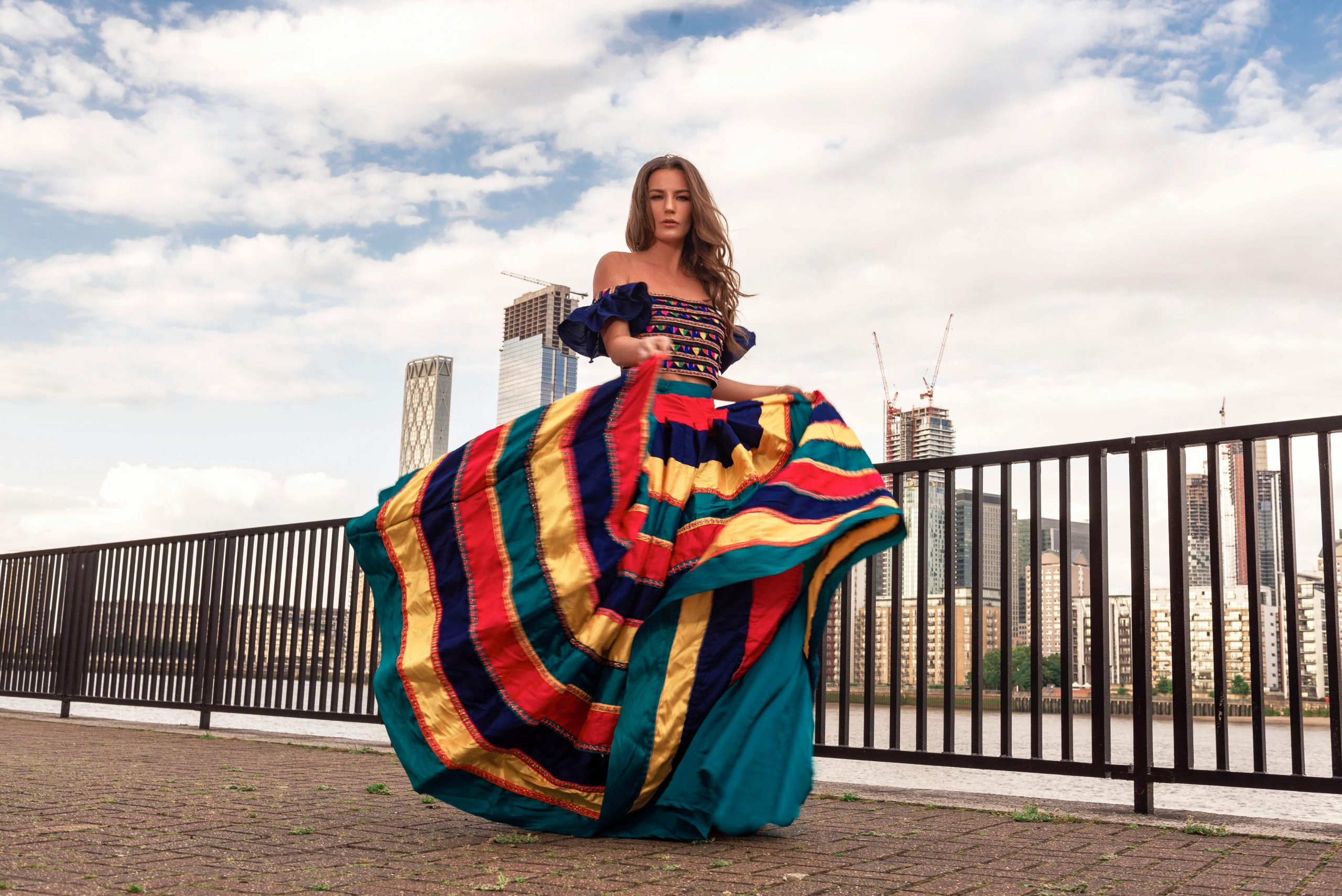
    In today’s modern society, traditional dress may seem like a thing of the past. With the rise of globalization and westernization, many countries have chosen to adopt western fashion and leave their traditional dress behind. However, the cultural significance of traditional dress should not be underestimated. In fact, traditional dress plays a crucial role in preserving a country’s cultural heritage, creating a sense of identity, and promoting inclusivity and diversity in society. In this article, we will explore the cultural significance of traditional dress in modern society, and why it should not be disregarded or forgotten.

    The Preservation of Cultural Heritage

    Traditional dress is often a representation of a country’s history, values, and customs. It is a visual representation of a community’s cultural heritage and serves as a reminder of their past. Through traditional dress, we can learn about the traditions, beliefs, and lifestyles of a particular culture. It allows us to connect with our roots and understand where we come from.

    For example, the hanbok, a traditional dress worn in South Korea, is a symbol of the country’s culture and tradition. Its style and design have remained unchanged for centuries, and it continues to hold great significance in Korean society. Each element of the hanbok, from the fabric to the color and patterns, carries a specific meaning and reflects the beliefs and lifestyle of the Korean people.

    Creating a Sense of Identity

    Traditional dress plays a significant role in creating a sense of identity for individuals and communities. It is a way for people to express their cultural pride and celebrate their heritage. When people wear traditional dress, they are not just wearing a piece of clothing; they are representing their cultural identity and history.

    In many countries, traditional dress is worn during special occasions and events, such as weddings or festivals. By wearing traditional dress, people are not only showcasing their cultural pride but also participating in a sense of community and belonging.

    Promoting Inclusivity and Diversity

    In a world where cultural appropriation and discrimination are still prevalent, traditional dress can serve as a tool for promoting inclusivity and diversity. It allows people from different backgrounds to appreciate and celebrate each other’s cultures. By embracing traditional dress from different cultures, we can build a more accepting and diverse society.

    Furthermore, traditional dress can also provide economic opportunities for marginalized communities. Many traditional dressmakers and artisans rely on the production and sale of traditional dress to support their livelihood. By promoting the use of traditional dress, we can help preserve these traditional crafts and support local communities.

    Conclusion

    In conclusion, traditional dress holds immense cultural significance in modern society. It serves as a bridge between the past and the present, creating a sense of connection and identity for individuals and communities. By embracing traditional dress, we can preserve our cultural heritage, promote inclusivity and diversity, and support local communities. So let us not forget the cultural significance of traditional dress and continue to celebrate and appreciate the beauty and value it brings to our modern society.

  • Why Color Theory Is Crucial for Effective Outfit Coordination

    Why Color Theory Is Crucial for Effective Outfit Coordination

    Welcome to the world of fashion and outfit coordination! Have you ever looked at someone’s outfit and thought, “Wow, those colors just work so well together”? Or perhaps you’ve seen someone wearing a mix of colors that just doesn’t seem to match. Whether we realize it or not, color plays a crucial role in how we put together our outfits. This is where color theory comes into play – the study of color and its various combinations. In this article, we’ll explore why understanding color theory is essential for effective outfit coordination.

    What is Color Theory?

    Color theory is a set of principles that explore the use of colors in design and how they interact with one another. In simpler terms, it is the study of how we perceive and use colors in different contexts. It involves understanding the color wheel, color relationships, and color schemes. While it is widely used in the fields of art and design, its principles can also be applied to fashion and outfit coordination.

    Understanding the Color Wheel

    The color wheel is a circular diagram that shows the relationship between primary, secondary, and tertiary colors. It is an essential tool in color theory as it helps us visualize how colors work together and can be mixed to create new shades. The primary colors (red, blue, and yellow) cannot be made by mixing other colors, while secondary colors (orange, green, and violet) are created by mixing two primary colors. Tertiary colors are a mix of primary and secondary colors. Knowing the color wheel and how to use it can help us create harmonious color combinations in our outfits.

    The Importance of Color Relationships

    Color theory also explores the relationships between colors and how they can be used together to create different effects. These relationships are often represented by different color schemes, such as complementary, analogous, and triadic. Complementary colors are opposite each other on the color wheel and create a high contrast effect when used together. Analogous colors are adjacent to each other on the wheel and create a more harmonious and subtle look. Triadic colors are evenly spaced on the wheel and can create a vibrant and balanced color scheme.

    Applying Color Theory in Outfit Coordination

    Now that we understand the basics of color theory, how can we apply it in our everyday outfit coordination? Firstly, knowing the color wheel and color relationships can help us choose colors that will work well together. For example, if you’re looking to create a bold outfit, you can pair complementary colors. If you prefer a more subtle and put-together look, try using analogous colors in your outfit. Similarly, picking a triadic color scheme can create a vibrant and balanced outfit. By considering these color relationships, we can ensure that our outfits are visually pleasing and make a statement.

    Another way to apply color theory in outfit coordination is by understanding the different qualities of colors. Colors can be warm or cool. Warm colors (such as red, orange, and yellow) create a sense of energy and dynamism, while cool colors (such as blue, green, and purple) evoke a feeling of calmness and relaxation. By mixing warm and cool colors, we can create a balanced and eye-catching outfit.

    The Power of Color Psychology

    Aside from its visual impact, color theory also explores the psychological effects of different colors. For example, red is often associated with passion and strength, while yellow represents happiness and warmth. By understanding the psychology behind colors, we can use them to express our personality and mood through our outfits. This adds an interesting element to our outfit coordination and can also create a connection with those who understand the meaning of colors.

    In Conclusion

    Color theory is a crucial aspect of outfit coordination and has a significant impact on how we perceive and express ourselves through fashion. By understanding the color wheel, color relationships, and the psychology of colors, we can create visually appealing and meaningful outfits that make a statement. So the next time you’re putting together an outfit, remember the principles of color theory, and you’ll be sure to turn heads!

  • Exploring the Artistry of Haute Couture and Bespoke Tailoring

    Exploring the Artistry of Haute Couture and Bespoke Tailoring

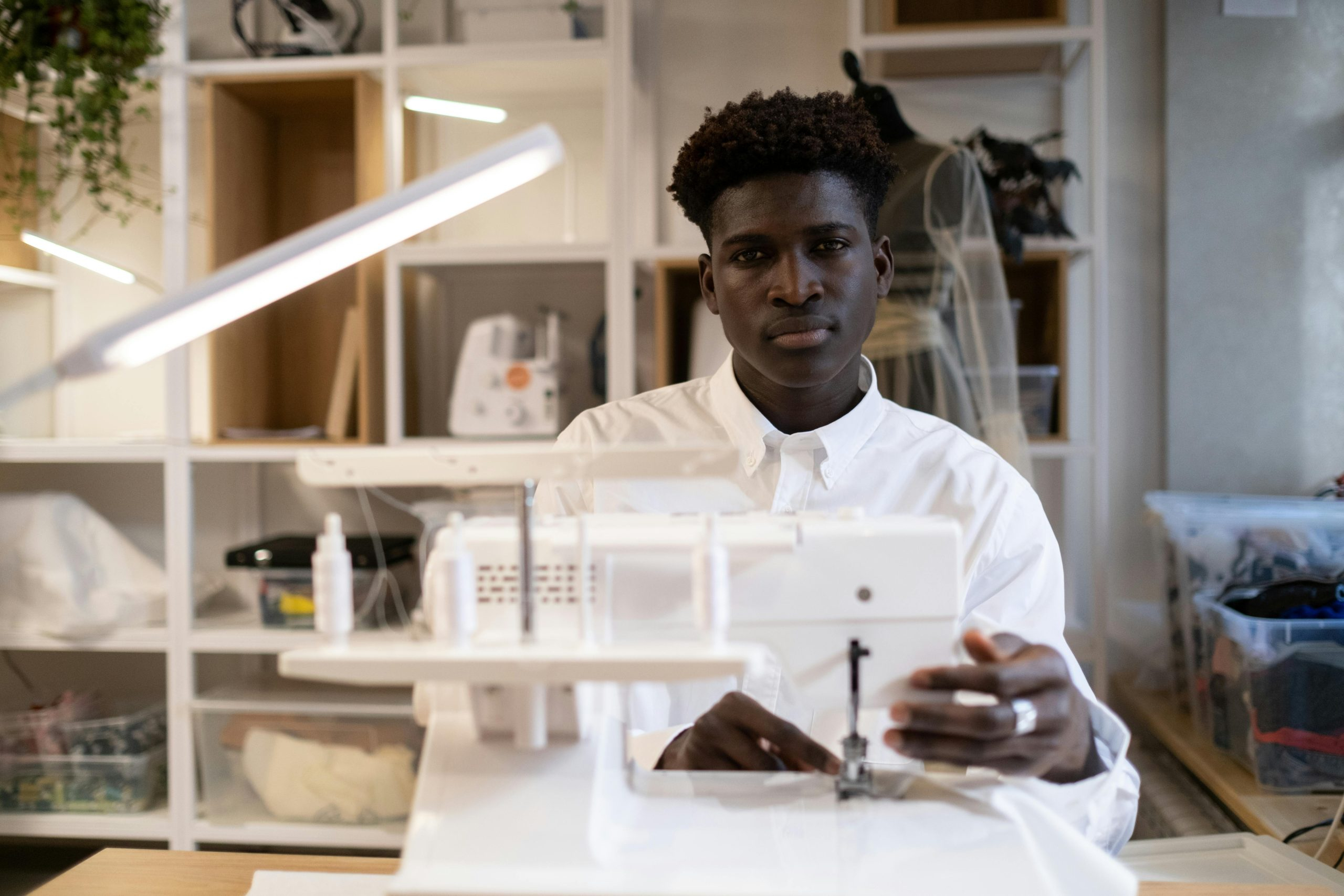
    Haute couture and bespoke tailoring are two terms that often evoke images of luxury, elegance, and expert craftsmanship. From the intricate beading and delicate fabric choices to the personalized fit and attention to detail, these forms of fashion are synonymous with creativity, artistry, and exclusivity. In a world of fast fashion, where trends change at the speed of light, haute couture and bespoke tailoring stand out as timeless and treasured forms of self-expression. Let’s delve deeper into the world of haute couture and bespoke tailoring, exploring their artistry and unique qualities.

    The Illustrious World of Haute Couture

    Haute couture is the most elite and exclusive level of fashion, with a history dating back to the 19th century. As the French term suggests, haute couture means “high fashion” and refers to custom-made clothing that is tailored to fit the client’s measurements and preferences. These garments are handcrafted by skilled artisans, using the finest fabrics, and often adorned with intricate handwork and embellishments. Haute couture garments are known for their impeccable workmanship and attention to detail, with each piece being a work of art.

    The Artistry of Haute Couture Designers

    At the heart of haute couture lies the creativity and expertise of the designers. These visionaries push the boundaries of fashion, creating unique, one-of-a-kind pieces that are as beautiful as they are functional. Haute couture designers are true artists, using fabrics as their canvas and breathing life into their creations with every stitch. From the initial sketch to the final fitting, every step of the design process is a labor of love, resulting in exquisite and unparalleled creations.

    The Importance of Craftsmanship in Haute Couture

    Haute couture is more than just beautiful designs; it is also a celebration of the art of craftsmanship. Each garment is made by hand, with hours upon hours of meticulous work put into every detail. The mastery of embroidery, draping, and sewing techniques is passed down from one generation to the next, ensuring that the art of haute couture lives on. This dedication to traditional craftsmanship is what sets haute couture apart from ready-to-wear fashion and makes it a coveted form of self-expression.

    The Personalized World of Bespoke Tailoring

    Bespoke tailoring is the epitome of personalized fashion, with every garment made to the client’s specifications and measurements. Unlike ready-to-wear clothing, which is produced in standard sizes, bespoke tailoring creates a garment that fits the client’s body like a second skin. It is a truly bespoke experience, allowing the client to choose every aspect of their garment, from the fabric and design to the finishing touches.

    The Craft of Bespoke Tailoring

    Just like haute couture, bespoke tailoring is a labor-intensive process that requires expert craftsmanship. Each garment is meticulously hand-cut and sewn, with attention given to every detail, such as the direction of the fabric’s weave and the positioning of the seams. This level of precision and skill is what makes bespoke tailoring a luxurious and sought-after form of fashion.

    The Unique Qualities of Bespoke Tailoring

    The bespoke experience goes beyond just creating a tailored garment; it is also about building a relationship between the tailor and the client. From the initial consultation to the final fitting, bespoke tailoring is a collaborative process, with the tailor understanding the client’s lifestyle, preferences, and body shape to create a truly personalized garment. This attention to detail and personal touch is what makes bespoke tailoring a cherished and valued form of fashion.

    In Conclusion

    The artistry of haute couture and bespoke tailoring is something that cannot be replicated by mass-produced fashion. They embody the true meaning of luxury, creativity, and personalized style. Haute couture and bespoke tailoring are not just about the final product but also about the process, the expertise, and the dedication to preserving the art of fashion. So the next time you put on a beautifully crafted garment, remember the artistry and craftsmanship that went into creating it and appreciate it as more than just clothing, but as wearable art.

  • Celebrity Endorsements: Shaping Public Perception of Luxury Brands

    Celebrity Endorsements: Shaping Public Perception of Luxury Brands

    The world of luxury brands is a highly competitive and constantly evolving landscape. With consumers becoming more discerning and selective in their choices, luxury brands are finding new and innovative ways to capture the attention of their target market. One of the most effective strategies used by luxury brands to shape public perception is celebrity endorsements. From fashion houses to skincare brands, celebrities are often seen at the forefront of luxury brand marketing campaigns. But what exactly is the impact of these celebrity endorsements on the public perception of luxury brands? In this article, we’ll delve into the world of celebrity endorsements and how they shape the public’s perception of luxury brands.

    Celebrity Endorsements: A Brief Overview

    Celebrity endorsements have been a part of the marketing landscape for decades, but they have gained significant traction in recent years with the rise of social media. The concept is simple – a well-known celebrity is associated with a brand or product, often through an advertising campaign, in order to promote and endorse it. In the realm of luxury brands, celebrity endorsements are a popular marketing strategy due to the perceived association of the celebrity’s image with luxury and exclusivity. But what makes celebrity endorsements so effective in shaping public perception? Let’s take a closer look.

    The Power of Influence

    Celebrities are seen as influential figures in society. Whether it’s an A-list actor or a social media influencer, their opinions and actions hold weight with the public. When a celebrity endorses a luxury brand, it immediately adds credibility and prestige to the brand. Consumers often view celebrities as tastemakers, making them more likely to trust and purchase products that are associated with their favorite celebrities. This has a significant impact on the way the public perceives luxury brands, as they are now viewed as being endorsed by someone who embodies wealth and affluence.

    Creating Aspirational Appeal

    Celebrities are often seen as aspirational figures, and this aspirational appeal is a powerful marketing tool for luxury brands. By associating themselves with a celebrity, luxury brands are tapping into the desire of consumers to emulate their favorite stars. This creates an emotional connection between the public and the brand, making it more desirable and exclusive. By portraying luxury brands as being attainable for the average person through celebrity endorsements, the public’s perception of these brands is elevated, making them more desirable and exclusive.

    Expansion of Reach

    Celebrity endorsements also play a crucial role in expanding the reach of luxury brands. With the rise of social media, celebrities now have a vast platform to reach millions of followers, making them an important asset for luxury brands. By leveraging the celebrity’s following, luxury brands can tap into new markets and demographics, which may have previously been out of reach. This allows luxury brands to not only shape the public perception of themselves but also to reach a wider and more diverse customer base.

    The Impact on Luxury Brands

    Celebrity endorsements can have a significant impact on the public perception of luxury brands. By associating themselves with well-known and admired celebrities, luxury brands can elevate their image and establish themselves as desirable and exclusive. However, with great power comes great responsibility. Luxury brands must be careful in selecting the right celebrity to endorse their products, as a mismatch between the celebrity and the brand can harm the brand’s image. Additionally, luxury brands must ensure that they are not solely relying on celebrity endorsements for their marketing efforts, as this may come across as shallow and insincere.

    Challenges and Controversies

    In recent years, celebrity endorsements have faced challenges and controversies. With consumers becoming more aware and conscious of social and environmental issues, the public is demanding more transparency and authenticity from brands. This has led to celebrity endorsements being scrutinized, and brands are now pressured to ensure that the values and beliefs of the celebrity align with their own. One wrong endorsement can have a devastating impact on the public perception of a luxury brand, as seen with many high-profile controversies in the past.

    In Conclusion

    In today’s world, celebrity endorsements are heavily intertwined with the public’s perception of luxury brands. By leveraging the power of influence, creating aspirational appeal, and expanding their reach, luxury brands are able to shape the public’s perception and establish themselves as elite and coveted. However, with the changing landscape of marketing and the increasing demand for authenticity, luxury brands must ensure that they are using celebrity endorsements thoughtfully and responsibly. Ultimately, it is the authenticity and quality of the brand that ultimately determines its success, and celebrity endorsements should be used as a supplement rather than a primary marketing strategy.

  • The Resurgence of Vintage Fashion and Secondhand Shopping

    The Resurgence of Vintage Fashion and Secondhand Shopping

    If you’re someone who loves fashion and follows the latest trends, you may have noticed a resurgence in vintage fashion and the popularity of secondhand shopping. This trend is not just a passing phase, but rather a movement towards sustainability, individuality, and rediscovering the beauty in vintage pieces. In this article, we’ll delve into the reasons behind the resurgence of vintage fashion and the rise of secondhand shopping, and why it’s more than just a fashion trend.

    The Environmental Impact

    Sustainability

    The fashion industry is known for its rapid turnover of trends and the constant pressure to buy new clothing. This has resulted in massive amounts of textile waste, as well as the use of non-renewable resources to produce new clothing. As more people become aware of the detrimental environmental impact of fast fashion, they are turning to vintage and secondhand shopping as a more sustainable alternative.

    By shopping for secondhand clothing, you are diverting items from ending up in landfills and reducing the demand for new clothing production. This helps to conserve resources and reduce the carbon footprint of the fashion industry. Plus, vintage pieces are often made with higher quality materials and craftsmanship, making them more durable and long-lasting compared to fast fashion items.

    Reducing Water Consumption

    The production of new clothing requires a significant amount of water, from growing crops for natural fibers to dyeing and finishing the fabrics. This can have a detrimental impact on water resources, especially in countries where water scarcity is already an issue. By shopping for vintage and secondhand clothing, you are reducing the demand for new clothing production and, in turn, helping to conserve water.

    Individuality and Self Expression

    In a world where everyone is bombarded with the same fashion trends and styles, standing out and showcasing your unique style has become increasingly important. Vintage fashion allows individuals to express themselves through fashion in a way that is not influenced by current trends. It allows them to create a personal style that is truly their own.

    Secondhand shopping also adds to the individuality factor, as each item is one-of-a-kind and not mass-produced. This means you won’t run into someone wearing the same outfit as you, making your fashion choices even more unique. Plus, vintage pieces often have an interesting story and history behind them, giving you a sense of connection and nostalgia when wearing them.

    Affordability

    Vintage and secondhand shopping are often more budget-friendly compared to buying new clothing. Since the items have been previously owned, they are usually priced lower than their original retail price. This allows individuals to build a unique and sustainable wardrobe without breaking the bank.

    Supporting Small Businesses

    In addition to the environmental and personal benefits, shopping for vintage and secondhand clothing also supports small businesses. Many vintage stores are owned by individuals who have a passion for fashion and a keen eye for unique pieces. By supporting these small businesses, you are not only contributing to the local economy but also helping to preserve the culture and history of fashion.

    The New Way of Shopping

    The rise of technology and social media has made vintage and secondhand shopping more accessible than ever. With the convenience of online shopping, individuals can browse and purchase unique vintage pieces from the comfort of their own homes. Social media platforms also play a significant role in promoting vintage and secondhand shopping. Many vintage stores and sellers use Instagram and other platforms to showcase their items and attract customers from all over the world.

    Conclusion

    From the environmental impact to individuality and affordability, the resurgence of vintage fashion and the popularity of secondhand shopping is here to stay. It’s more than just a fashion trend; it’s a movement towards sustainability, self-expression, and supporting small businesses. So next time you’re looking to update your wardrobe, consider shopping for vintage and secondhand clothing. You never know, you might just find a one-of-a-kind treasure that speaks to your personal style and values.

  • Innovative Textiles: Materials Shaping the Future of Clothing

    Innovative Textiles: Materials Shaping the Future of Clothing

    In today’s fast-paced world, the fashion industry is constantly evolving and pushing the boundaries of creativity and innovation. The use of new and advanced materials in clothing is gaining traction, not only in terms of design and aesthetics but also in terms of sustainability and functionality. Textiles, in particular, have been at the forefront of these changes, with new technology and techniques allowing for the creation of fabrics that were previously thought impossible. From self-cleaning fabrics to those that can change color with the touch of a button, innovative textiles are shaping the future of clothing as we know it.

    The Rise of Advanced Textiles

    Gone are the days when fabrics were limited to cotton, silk, and wool. With the advent of technology and scientific advancements, a whole new world of materials has opened up for the fashion industry. These innovative textiles are not only transforming the way we dress but also addressing some of the most pressing issues in the industry, such as sustainability and waste reduction.

    Smart Textiles: Functionality Meets Fashion

    The integration of technology and fashion has given rise to a whole new category of textiles known as “smart textiles.” These are fabrics that have been infused with electronics, sensors, and microchips, making them capable of sensing and reacting to external stimuli. Smart textiles have endless applications in the fashion world, from interactive clothing that can change color or pattern to reflect the mood of the wearer, to heat-regulating fabrics that can keep you warm in cold weather and cool in hot weather.

    Another key advantage of smart textiles is their potential to improve safety and performance. For example, athletes can benefit from activewear with built-in sensors that track biometric data, helping them train smarter and monitor their progress. And with the rising concern for personal safety, there is a growing demand for clothing that can detect and alert wearers of potential dangers such as smoke or toxins.

    Sustainable Solutions: The Future of Textiles

    The fashion industry has been under scrutiny for its environmental impact and contribution to waste and pollution. This is where sustainable textiles come into play. With the use of technologies such as recycling and upcycling, brands are now able to create new materials from waste and reduce their carbon footprint. For example, pineapple leaves can be transformed into a leather-like material, and discarded plastic bottles can be turned into soft, pliable yarn.

    Sustainable textiles not only address the issue of waste but also offer other advantages such as durability and functionality. Textile innovations such as Tencel and lyocell are not only eco-friendly but also softer and more comfortable to wear than traditional fabrics like cotton. This has opened up a whole new avenue for environmentally conscious consumers who want to make a positive impact without sacrificing style and quality.

    The Future is Here: The Game-Changing Textile Innovations

    Self-Cleaning Fabrics: A Game-Changer for the Fashion Industry

    One of the most revolutionary textile innovations is the development of self-cleaning fabrics. These fabrics use advanced technology, such as nanotechnology, to create a protective layer on the surface of the fabric that repels water, dirt, and even stains. This not only eliminates the need for constant washing and dry-cleaning but also increases the lifespan of the garment. Moreover, self-cleaning fabrics have the potential to significantly reduce water and energy consumption, making them a sustainable choice for the fashion industry.

    Innovative Materials: From Biodegradability to Transparency

    The fashion industry has been criticized for its lack of transparency when it comes to the materials used in clothing. However, with the rising demand for ethical and eco-friendly products, fashion brands are now turning to innovative materials that are both biodegradable and traceable. Fabrics made from seaweed, for example, are not only biodegradable but also have a low environmental impact in terms of production. Similarly, traceable materials such as Fibretrace use technology to provide transparent and verifiable information about the sourcing and production of the fabric used in a garment. This allows consumers to make informed choices and hold brands accountable for their practices.

    The Road Ahead: The Potential of Innovative Textiles

    As the fashion industry continues to evolve, the potential for innovative textiles is limitless. With advancements in technology and sustainability, we can expect to see even more ground-breaking materials and techniques in the near future. From fabrics that can generate electricity to those that can adapt to weather conditions, the possibilities are endless and exciting. It is safe to say that the future of clothing is being shaped by innovative textiles, and we cannot wait to see what else is in store.

    In conclusion, the implementation of new and advanced materials in the fashion industry is not only transforming the design and functionality of clothing but also addressing pressing issues such as sustainability and transparency. These innovative textiles are paving the way for a more conscious and responsible fashion industry, and it is safe to say that the future of clothing will be shaped by these ground-breaking materials.

  • The Hidden Costs: Environmental Impact of the Fashion Supply Chain

    The Hidden Costs: Environmental Impact of the Fashion Supply Chain

    The fashion industry is one of the biggest and most influential industries in the world. With its ever-changing trends and fast-paced production, the industry generates billions of dollars annually. However, the hidden costs of this industry are far greater than what meets the eye. The fashion supply chain, from production to consumption, has a significant impact on the environment. In this article, we will dive deeper into the hidden costs and environmental impact of the fashion supply chain.

    The Fast Fashion Model

    In the past few decades, the fashion industry has witnessed a major shift to the fast fashion model. This model focuses on producing low-cost, trendy clothing at a rapid pace. With the rise of fast fashion retailers like Zara, H&M, and Forever 21, the industry has become more dependent on mass-produced, cheaply made clothing. This model has not only changed the way we consume fashion but also has a detrimental impact on the environment.

    First Step: Production

    The first step in the fashion supply chain is production, which involves growing or extracting raw materials, such as cotton, polyester, and leather. The production of these materials alone has a massive impact on the environment. For instance, cotton production requires large amounts of water and chemicals, while the leather industry contributes to deforestation and water pollution. Furthermore, the production process also emits greenhouse gases, contributing to climate change.

    Second Step: Manufacturing

    After the raw materials are sourced, they are then manufactured into clothing items. This step involves large factories and mass production, which leads to increased water and energy consumption. In addition, the use of synthetic materials, such as polyester and nylon, results in microplastic pollution in the oceans. The continuous demand for new clothing also leads to overproduction and excess waste.

    Third Step: Distribution

    Once the garments are produced, they need to be distributed to retailers and consumers. This process involves transportation, which contributes to carbon emissions and air pollution. In addition, the rise of online shopping has also increased the carbon footprint of the fashion supply chain, with packaging and shipping materials being discarded and contributing to waste.

    Final Step: Consumption and Disposal

    The last step in the fashion supply chain is consumption and disposal. The average consumer purchases 60% more clothing and keeps them for half as long as they did 15 years ago. This fast-paced consumption leads to an overflow of clothing waste. In addition, most of the discarded clothing ends up in landfills, where they can take hundreds of years to decompose, releasing toxins into the soil and water.

    The Real Cost: Environmental Impact

    The hidden costs of the fashion supply chain are not just limited to the production and disposal of clothing items. The environmental impact spans across the entire process, from water pollution and emission of greenhouse gases to deforestation and waste. The fashion industry is considered to be the second-largest polluter in the world, just behind the oil industry. This staggering impact on the environment cannot be ignored.

    A Solution: Sustainable Fashion

    In recent years, there has been a growing movement towards sustainable fashion. Sustainable fashion focuses on reducing the environmental and social impact of the fashion industry by promoting ethical and eco-friendly practices. This includes using organic and recycled materials, reducing waste, and promoting fair wages and working conditions for employees.

    What Can You Do?

    As a conscious consumer, there are small steps we can take to reduce the environmental impact of the fashion supply chain. Buying from sustainable and ethical brands, thrifting, and clothing rental are all ways to reduce our contribution to the fast fashion model. We can also prioritize quality over quantity and properly dispose of our unwanted clothing through recycling or donating.

    In conclusion, the hidden costs of the fashion supply chain are far greater than what we see on the price tag. It is crucial for the industry to shift towards more sustainable and ethical practices to reduce its impact on the environment. As consumers, we can also play our part by making conscious choices and demanding change from the fashion industry. Let us strive towards a more sustainable and environmentally-friendly fashion industry for a better future.

  • From Runway to Retail: Tracing the Journey of New Trends

    From Runway to Retail: Tracing the Journey of New Trends

    Fashion is ever-evolving, with new trends and styles popping up on the runway every season. But have you ever wondered how these trends make their way from the runway to your favorite retail stores? It’s a journey that involves creativity, business strategies, and impeccable timing. From concept to production, let’s trace the journey of new trends and see how they end up in your wardrobe.

    The Concept: Where Trends Begin

    Before a trend even makes its way to the runway, it starts as a mere idea. Fashion designers draw inspiration from various sources, including street style, art, nature, and even past fashion eras. They then start creating sketches and mood boards to bring their vision to life. These designs are usually far from the end product, but they lay the foundation for the upcoming trend.

    The Runway Show: Setting the Stage

    Once the fashion designs are finalized, it’s time for the highly anticipated runway show. This is where the designers showcase their collections, and industry insiders, including buyers, editors, influencers, and celebrities, get a first look at the new trends. The runway show sets the stage for what’s to come and generates buzz around the upcoming trends.

    Fashion Forecasting: Predicting What’s Next

    Before a trend reaches the retail stores, it goes through a process of fashion forecasting. This involves analyzing current fashion trends, consumer behavior, and market demands to predict what will be popular in the future. Fashion forecasting agencies provide valuable insights and data to fashion brands and retailers, helping them make informed decisions about which trends to produce and sell.

    The Production: Bringing Trends to Life

    Once the trends have been forecasted, it’s time for them to be produced. Fashion brands work with manufacturers and suppliers to manufacture their designs in bulk. This involves sourcing materials, creating samples, and perfecting the final product. This process can take anywhere from weeks to months, depending on the complexity of the trend.

    Brand Collaboration: The Power of Partnerships

    In recent years, collaborations between fashion brands and celebrities or influencers have become a significant part of trend production. These partnerships not only bring more exposure to the trend but also create a sense of exclusivity and hype around it. Collaborations have proven to be successful in making trends more desirable to consumers.

    Social Media: Spreading the Word

    In today’s digital age, social media plays a crucial role in promoting new trends. With a few clicks, consumers can see the latest trends on their favorite influencers or on their Instagram feed. Fashion brands also use social media to showcase their new collections and create buzz around their trends. This exposure helps create demand for the trend even before it hits the stores.

    The Arrival: From Retail to Your Wardrobe

    Finally, the trend makes its way to retail stores, where consumers can purchase it. Retailers play a vital role in bringing the trend from the runway to the consumer. They use their knowledge of consumer behavior and trends to determine how much of each trend to stock and how to merchandise it to attract buyers. This is where all the earlier steps come together, with the trend making its way to consumers’ wardrobes.

    The Evolution: Trends Never Really Die

    Even after the trend has made its way to the retail stores and consumers’ wardrobes, its journey is far from over. Trends tend to come and go, but they never really die. They evolve and often make a comeback in the future. Fashion trends are cyclical, and what was once trendy and popular may come back in style a few years later.

    The journey from runway to retail is a long and complex one. It involves numerous creative minds and strategic decisions to make a trend a success. Fashion is an ever-changing industry, and it’s fascinating to see how trends make their way from a simple idea to a widely popular style. Next time you see a trend in your favorite retail store, remember the journey it took to get there.