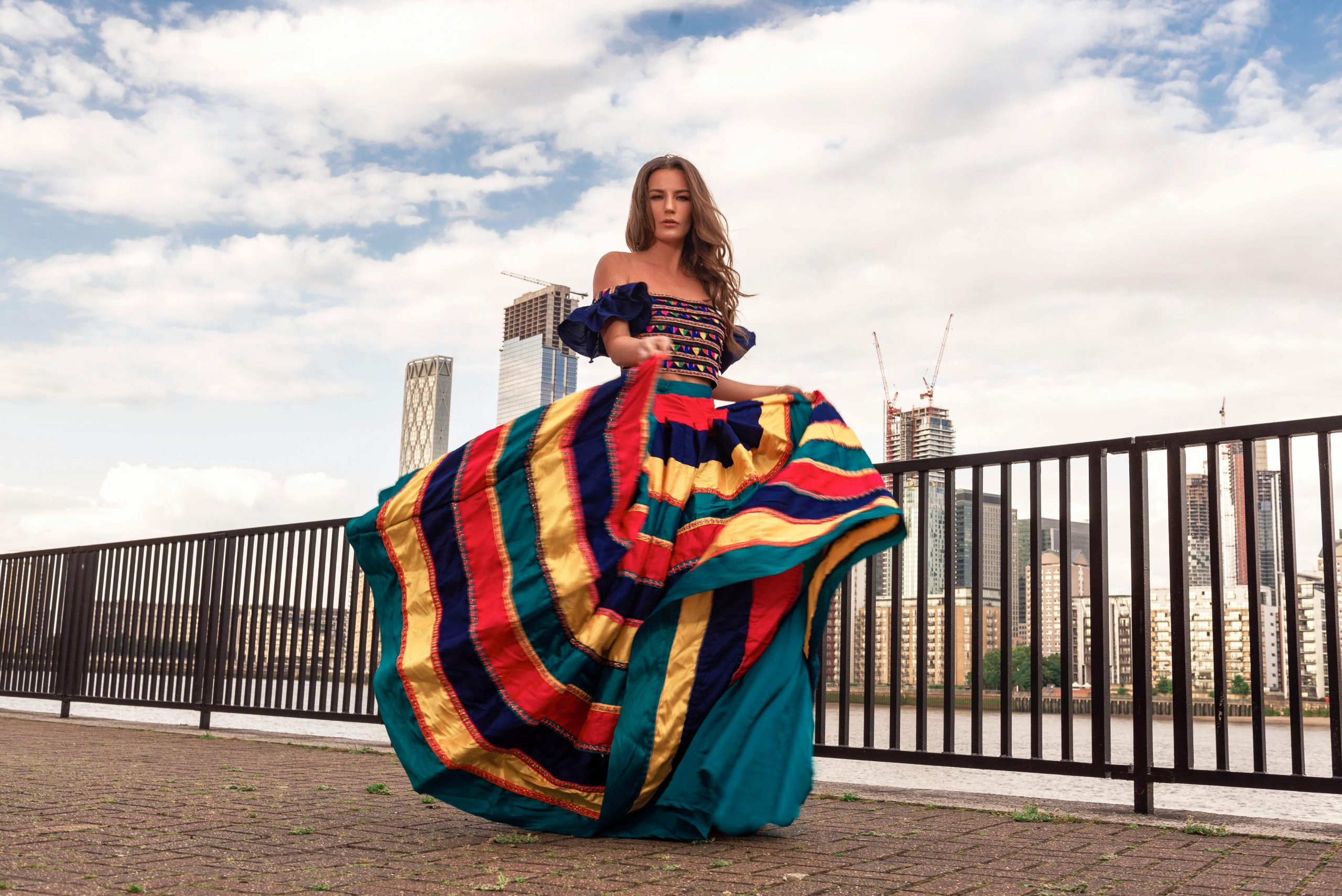
Welcome to the world of fashion and outfit coordination! Have you ever looked at someone’s outfit and thought, “Wow, those colors just work so well together”? Or perhaps you’ve seen someone wearing a mix of colors that just doesn’t seem to match. Whether we realize it or not, color plays a crucial role in how we put together our outfits. This is where color theory comes into play – the study of color and its various combinations. In this article, we’ll explore why understanding color theory is essential for effective outfit coordination.
What is Color Theory?
Color theory is a set of principles that explore the use of colors in design and how they interact with one another. In simpler terms, it is the study of how we perceive and use colors in different contexts. It involves understanding the color wheel, color relationships, and color schemes. While it is widely used in the fields of art and design, its principles can also be applied to fashion and outfit coordination.
Understanding the Color Wheel
The color wheel is a circular diagram that shows the relationship between primary, secondary, and tertiary colors. It is an essential tool in color theory as it helps us visualize how colors work together and can be mixed to create new shades. The primary colors (red, blue, and yellow) cannot be made by mixing other colors, while secondary colors (orange, green, and violet) are created by mixing two primary colors. Tertiary colors are a mix of primary and secondary colors. Knowing the color wheel and how to use it can help us create harmonious color combinations in our outfits.
The Importance of Color Relationships
Color theory also explores the relationships between colors and how they can be used together to create different effects. These relationships are often represented by different color schemes, such as complementary, analogous, and triadic. Complementary colors are opposite each other on the color wheel and create a high contrast effect when used together. Analogous colors are adjacent to each other on the wheel and create a more harmonious and subtle look. Triadic colors are evenly spaced on the wheel and can create a vibrant and balanced color scheme.
Applying Color Theory in Outfit Coordination
Now that we understand the basics of color theory, how can we apply it in our everyday outfit coordination? Firstly, knowing the color wheel and color relationships can help us choose colors that will work well together. For example, if you’re looking to create a bold outfit, you can pair complementary colors. If you prefer a more subtle and put-together look, try using analogous colors in your outfit. Similarly, picking a triadic color scheme can create a vibrant and balanced outfit. By considering these color relationships, we can ensure that our outfits are visually pleasing and make a statement.
Another way to apply color theory in outfit coordination is by understanding the different qualities of colors. Colors can be warm or cool. Warm colors (such as red, orange, and yellow) create a sense of energy and dynamism, while cool colors (such as blue, green, and purple) evoke a feeling of calmness and relaxation. By mixing warm and cool colors, we can create a balanced and eye-catching outfit.
The Power of Color Psychology
Aside from its visual impact, color theory also explores the psychological effects of different colors. For example, red is often associated with passion and strength, while yellow represents happiness and warmth. By understanding the psychology behind colors, we can use them to express our personality and mood through our outfits. This adds an interesting element to our outfit coordination and can also create a connection with those who understand the meaning of colors.
In Conclusion
Color theory is a crucial aspect of outfit coordination and has a significant impact on how we perceive and express ourselves through fashion. By understanding the color wheel, color relationships, and the psychology of colors, we can create visually appealing and meaningful outfits that make a statement. So the next time you’re putting together an outfit, remember the principles of color theory, and you’ll be sure to turn heads!
Leave a Reply