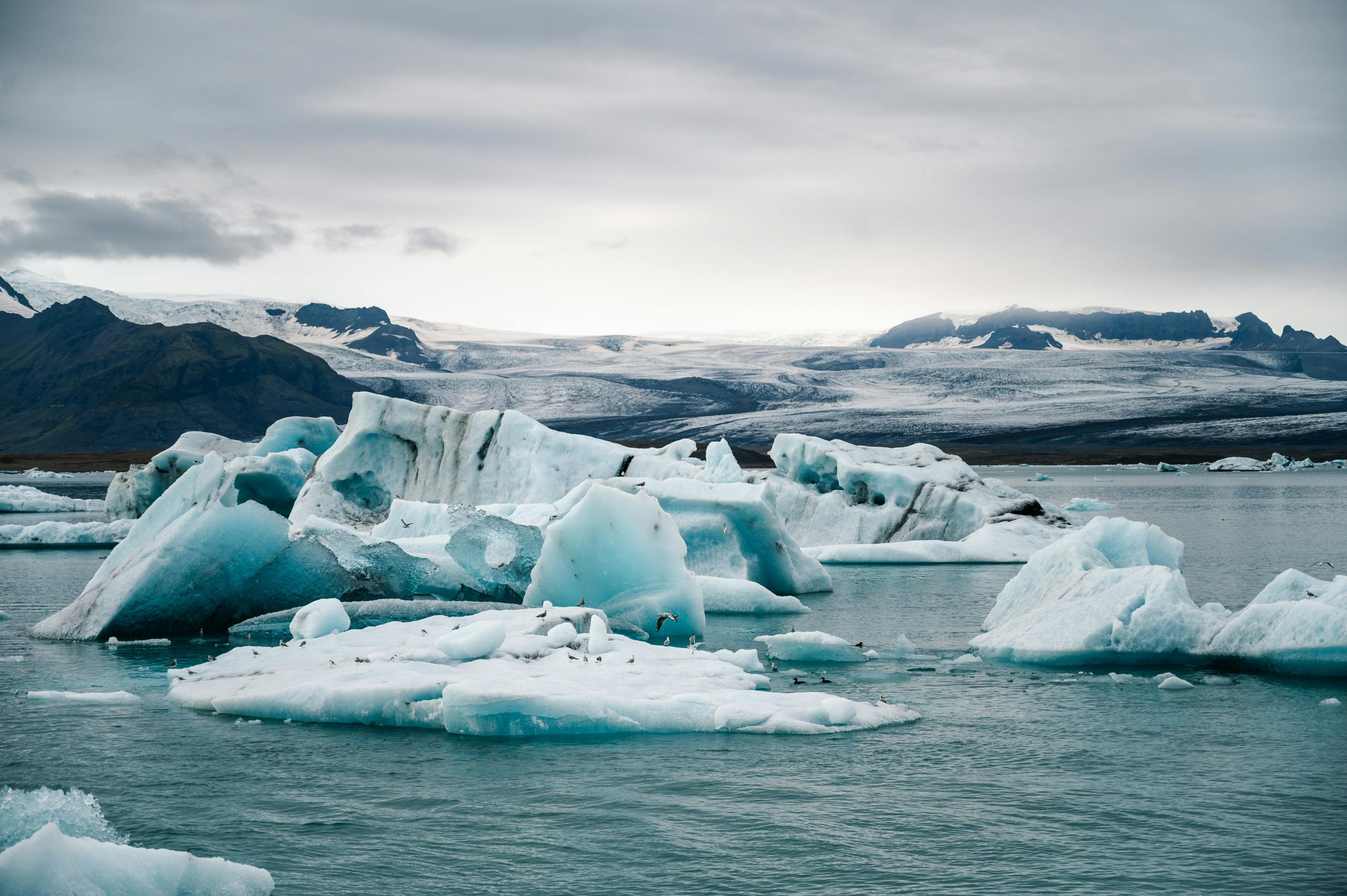
Climate change is one of the most pressing issues facing our world today. Its effects can be felt in various aspects of our lives, from the food we eat to the air we breathe. However, one area that is especially vulnerable to the impacts of climate change is coastal property values. As sea levels rise and extreme weather events become more frequent, the value of coastal properties is being severely impacted. In this article, we will explore how climate change is affecting coastal property values and what it means for property owners, investors, and the real estate market as a whole.
The Rising Seas
One of the most significant impacts of climate change on coastal property values is the rise in sea levels. According to the National Oceanic and Atmospheric Administration (NOAA), sea levels have risen by an average of 8 inches since 1880. However, due to the warming of the Earth’s atmosphere and oceans, this rate has been accelerating in recent years. The NOAA predicts that by 2050, sea levels could rise by an additional 1 to 3 feet.
As sea levels rise, coastal properties are at risk of flooding and erosion. This not only poses a threat to the physical structures but also decreases the property’s value. Homebuyers are taking note of these risks and are less likely to invest in properties that are susceptible to sea-level rise. This leads to a decrease in demand and, consequently, a decrease in property values.
Increasing Insurance Costs
Climate change is also resulting in more frequent and severe extreme weather events, such as hurricanes and storm surges. These events not only cause physical damage to coastal properties but also result in soaring insurance costs. Insurance companies are hesitant to provide coverage for properties in high-risk areas, or they charge exorbitant premiums. This poses a significant challenge for property owners, as insurance is a necessary expense for any property investment. As a result, coastal properties become less attractive to potential buyers, driving down their value.
Beach Erosion and Loss of Amenities
Aside from the obvious dangers of rising sea levels, climate change is also causing beach erosion, leading to a loss of amenities for coastal property owners. As the shoreline recedes, beaches become narrower or disappear altogether. This not only diminishes the aesthetic appeal of the area but also reduces the recreational and economic value of beachfront properties. Beach erosion also affects waterfront properties that rely on the beach for aesthetic value and economic activity, such as restaurants, bars, and shops. As a result, properties in these areas can experience a decline in value.
The Impact on Local Economies
The effects of climate change on coastal property values go beyond individual property owners. The decline in property values can have a ripple effect on the local economy. Coastal areas that rely heavily on tourism, such as beach towns, can suffer a significant blow as property values decline. This can lead to a decrease in tax revenue, job loss, and a decline in the overall economy of the area. Furthermore, as people become more aware of the risks associated with purchasing coastal properties, they may choose to invest in other areas, further impacting the local real estate market.
Adaptation and Mitigation Strategies
While the impacts of climate change on coastal property values may seem grim, there are strategies that property owners can take to mitigate these risks. One option is to adapt to the changing climate by investing in protective measures, such as seawalls or elevated foundations. While this may come at a high cost initially, it can potentially save property values in the long run by protecting against natural disasters and preserving the property’s desirability.
Another approach is to reduce emissions and slow down the rate of climate change. This can be achieved through individual efforts, such as using renewable energy sources, or through community-wide initiatives. For instance, coastal communities can work together to implement coastal management and restoration projects, which can help protect properties and preserve their values.
In Conclusion
Climate change is a global issue that is having a direct impact on coastal property values. Rising sea levels, increasing insurance costs, beach erosion, and a decline in local economies are just some of the ways in which climate change is affecting the value of coastal properties. However, through adaptation and mitigation strategies, property owners can take proactive measures to protect their investments and help slow down the effects of climate change. As the world continues to grapple with this critical issue, it is essential for property owners to stay informed and take the necessary precautions to safeguard their coastal investments.
Leave a Reply