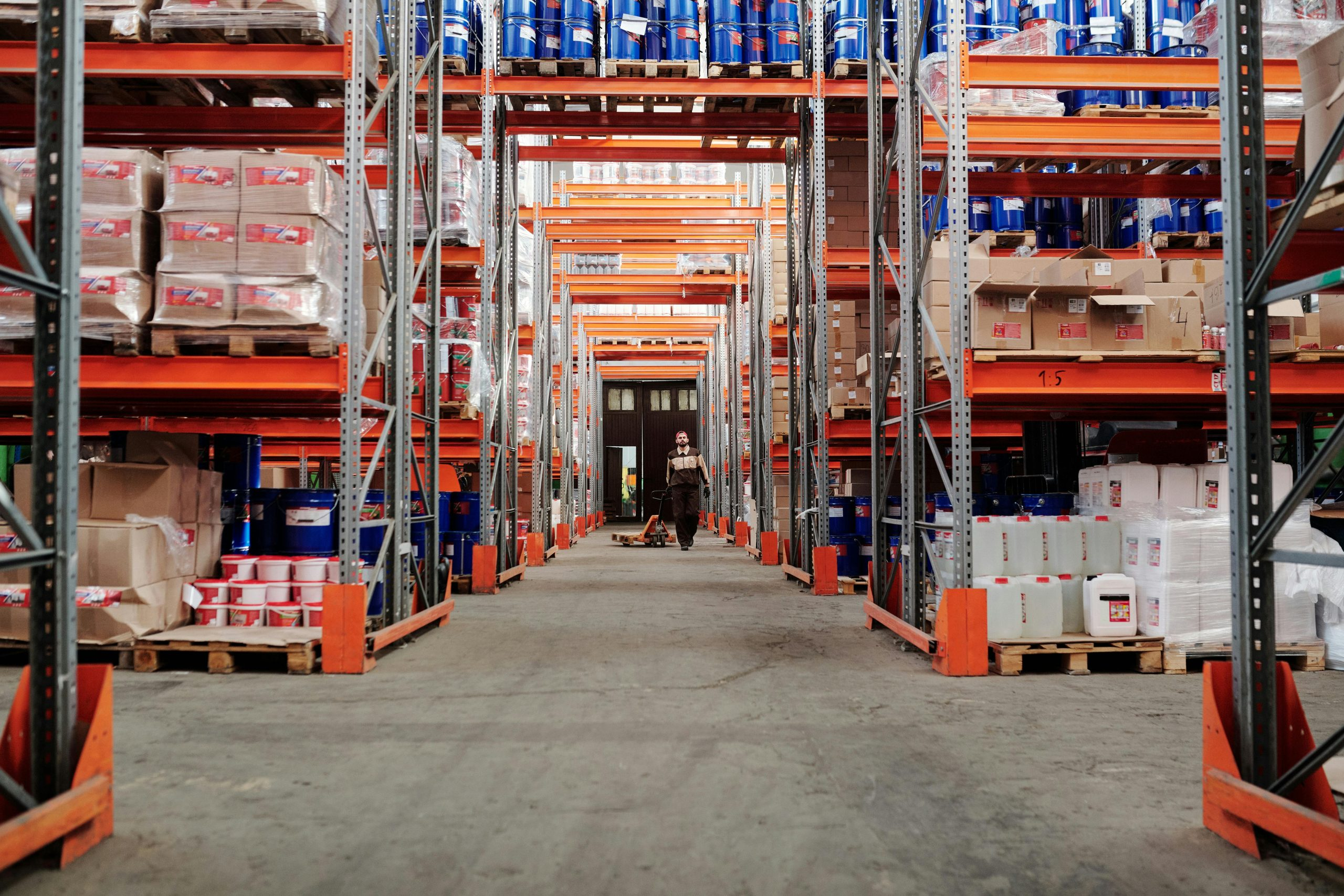
The global market relies heavily on the efficient functioning of supply chains that bring products from manufacturers to consumers. However, disruptions in the supply chain can lead to major consequences that affect product availability and pricing. From natural disasters and transportation issues to economic shifts and political conflicts, there are various factors that can disrupt supply chains and ultimately impact the availability and cost of products.
Understanding Supply Chains and Their Importance
Before delving into how disruptions can affect product availability and pricing, it is crucial to understand the concept of supply chains and their role in the market. Supply chain refers to the network of individuals, organizations, activities, information, and resources involved in the production, transportation, and delivery of goods and services. It starts with the sourcing of raw materials and ends with the delivery of the final product to the consumer. Supply chains are an integral part of any business, as they ensure the smooth flow of goods and services from suppliers to consumers.
How Supply Chain Disruptions Occur
Supply chain disruptions can occur due to various reasons and at any point in the supply chain. They can be caused by internal or external factors and can have a ripple effect through the entire chain. One of the most common causes of supply chain disruptions is natural disasters such as hurricanes, earthquakes, and floods. These events can destroy infrastructure and facilities, disrupt transportation, and halt production. Similarly, political conflicts, economic downturns, and trade restrictions can also impact the supply chain by disrupting trade routes and increasing costs.
The Impact on Product Availability
When a supply chain is disrupted, it affects the availability of products in the market. If production is halted, the supply of certain products will decrease, leading to shortages and unfulfilled orders. This scarcity can result in consumers being unable to find the products they need, which can lead to dissatisfaction and loss of sales for businesses. Furthermore, the disruption of transportation and distribution networks can delay the delivery of products to stores, further affecting availability.
The Effect on Pricing
Supply chain disruptions also have a significant impact on the pricing of products. When there is a shortage of a product in the market, the demand for it increases, resulting in higher prices. This is known as the law of supply and demand. Moreover, disruptions in the supply chain also lead to increased costs for businesses, such as transportation costs and costs of finding alternative suppliers. To cover these extra costs, businesses may raise the prices of their products, making them more expensive for consumers.
How Businesses Can Mitigate the Impact of Supply Chain Disruptions
While supply chain disruptions cannot be prevented entirely, there are ways for businesses to minimize their impact. One of the most crucial steps is to have contingency plans in place to deal with any potential disruptions. This can include diversifying suppliers, creating supply chain maps, and ensuring effective communication with all stakeholders. Businesses can also invest in technology and data analytics to streamline their supply chain processes and identify potential risks before they occur.
Conclusion
In conclusion, supply chain disruptions can have far-reaching effects on product availability and pricing. Businesses need to be aware of the various factors that can disrupt their supply chains and have a solid plan in place to minimize their impact. By understanding the importance of supply chains and taking proactive measures, businesses can mitigate the risks and ensure a more efficient and resilient supply chain that benefits both businesses and consumers.
Leave a Reply